




“The 5-Second Rule”: Science or Just a Habit?
Where Did the 5-Second Rule Come From?
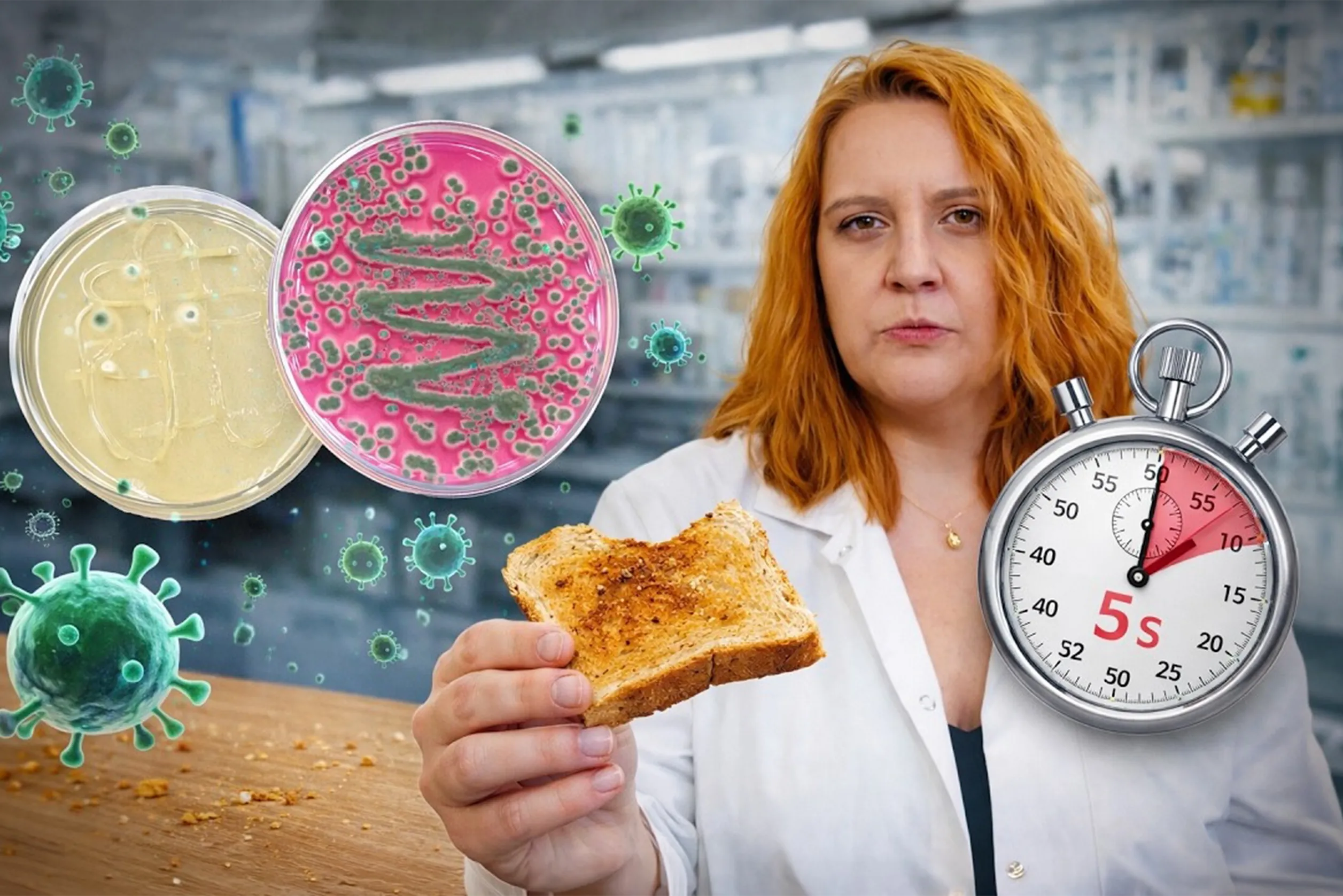
The idea that food remains safe for a short period after falling on the floor is not based on scientific evidence. Instead, it is a cultural belief that has been passed down for generations.
Historically, people had limited knowledge about microorganisms and food contamination. Hygiene standards were also lower, and wasting food was often not an option. As a result, informal rules developed to justify eating food that had been dropped.
Psychology also plays an important role. Humans tend to rely on visual cues when assessing cleanliness. If a surface appears clean, we are more likely to assume it is safe. However, harmful microorganisms are invisible to the naked eye.
What Science Says About Bacterial Transfer
Scientific studies have shown that bacteria can transfer from surfaces to food almost immediately. Contrary to popular belief, microorganisms do not require several seconds to contaminate food. In many cases, the transfer occurs in less than a second.
Researchers emphasize that the likelihood and extent of contamination depend on several factors, including:
- the type of surface the food falls on
- the type of food itself
- the level of moisture present
These variables influence how easily bacteria move and attach to food.
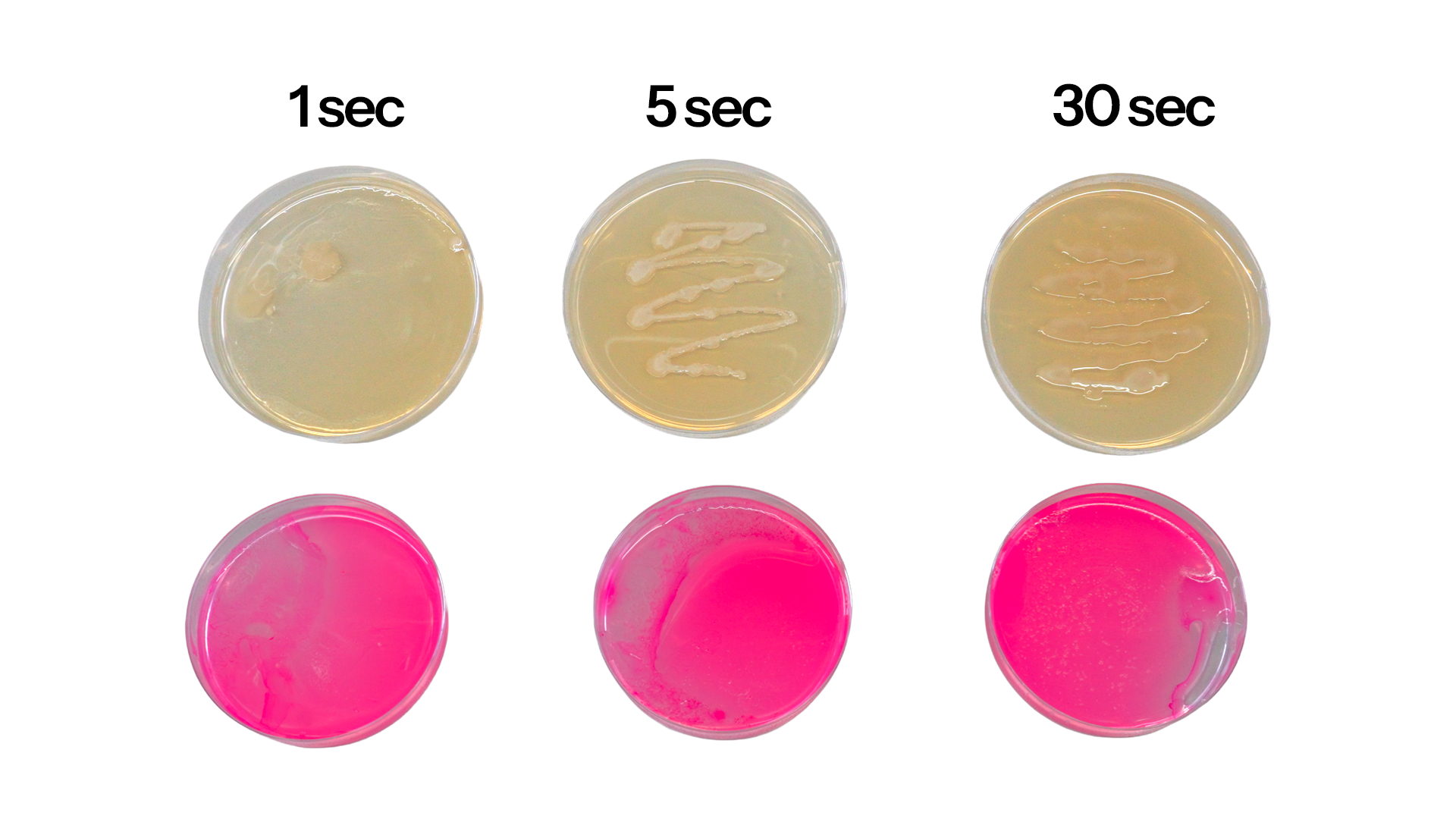
1. The Importance of Time
Time still plays a role in contamination. The longer food remains in contact with a contaminated surface, the greater the number of bacteria that may transfer.
However, the key point is that contamination can occur even during very brief contact. This means the question is not whether bacteria will transfer, but rather how much contamination occurs over time.
2. Dry vs. Moist Foods
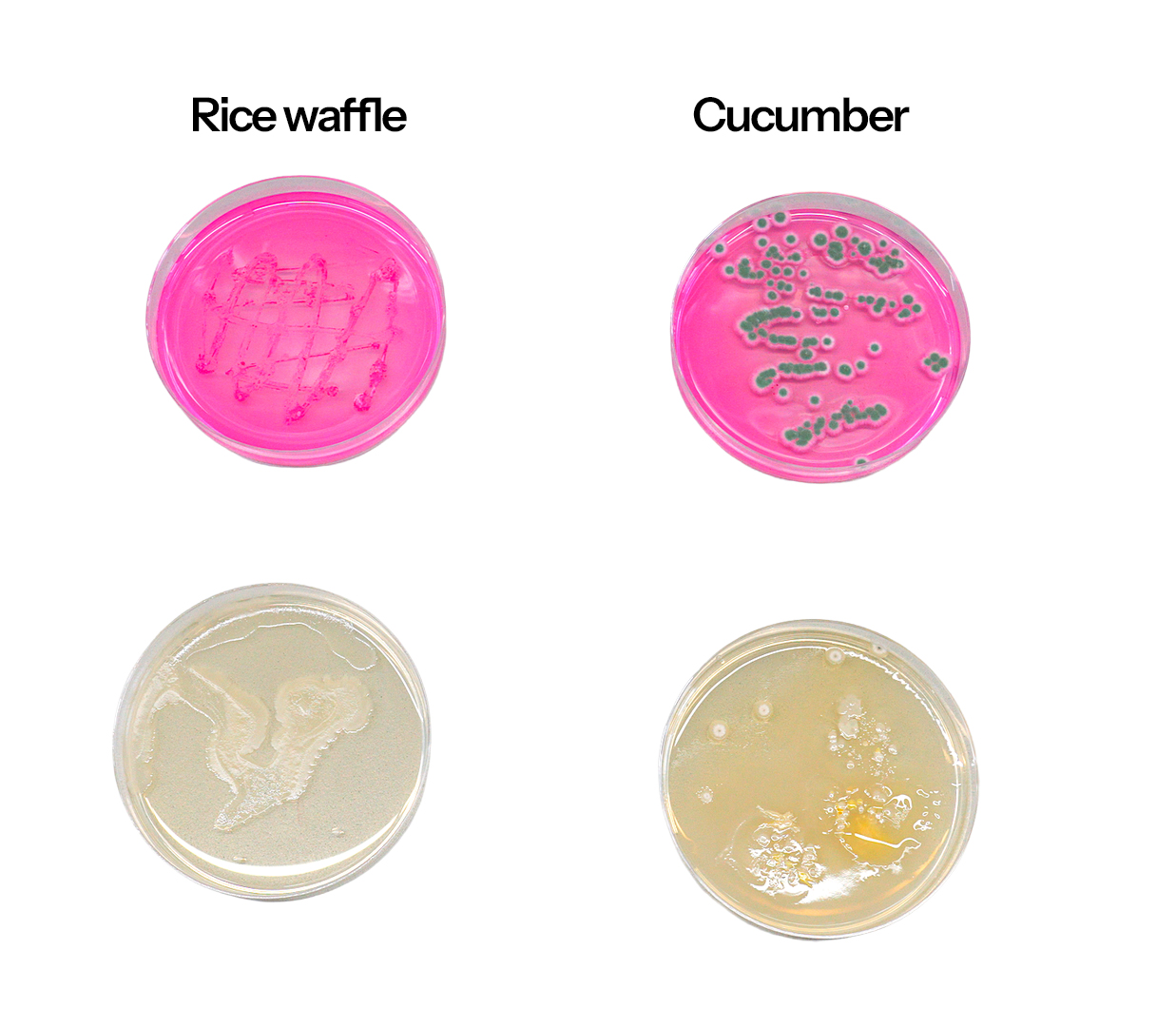
Moisture significantly affects bacterial transfer. Foods with higher water content tend to collect microorganisms more quickly than dry foods.
For example, a piece of fresh fruit or cooked food is generally more likely to become contaminated than a dry biscuit or cracker. Moisture can facilitate the movement of bacteria, making the 5-second rule less reliable in such situations.
3. The Role of Different Surfaces
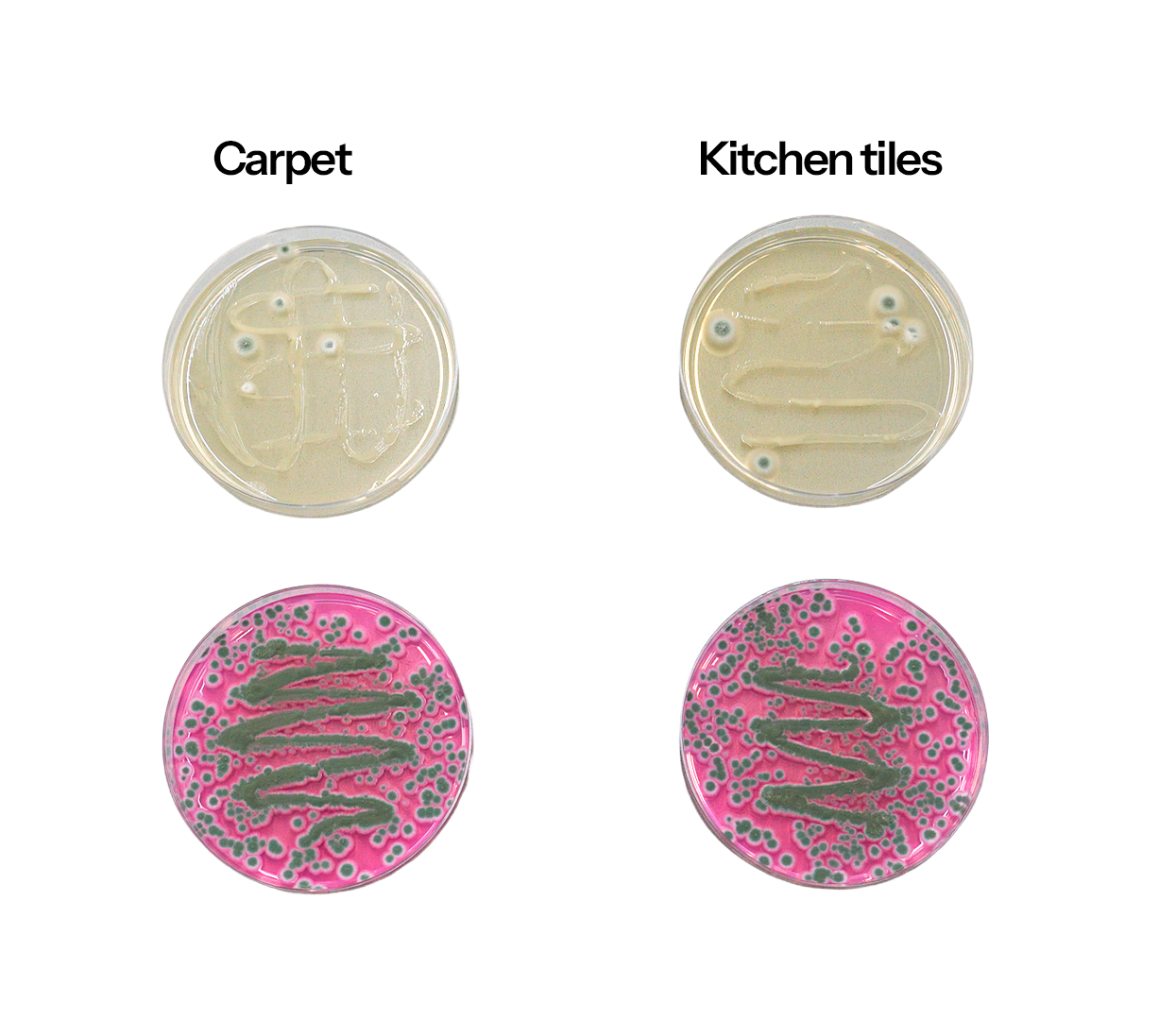
The type of flooring or surface also influences contamination risk. Smooth, hard surfaces like tiles may allow for less bacterial transfer compared to porous materials such as carpets.
Carpets can accumulate dust, organic debris, and microorganisms over time, increasing the likelihood that dropped food will come into contact with contaminants.
Why People Still Follow the Rule?
Despite scientific evidence, many people continue to rely on the 5-second rule. One reason is the desire to avoid wasting food. Another is personal experience — individuals may have eaten dropped food in the past without becoming ill.
However, the absence of immediate illness does not necessarily mean that no risk was present. Food safety risks are often probabilistic rather than certain.
A More Practical Approach to Food Safety
Instead of focusing solely on how long food has been on the floor, it may be more useful to consider additional factors. Questions such as whether the food was moist, where it fell, and whether it would be served to another person can provide better guidance in assessing risk.
Ultimately, while the 5-second rule may offer psychological comfort, it should not be treated as a reliable food safety guideline.
Conclusion
The belief that food remains safe to eat if picked up quickly is largely a myth. Scientific research indicates that bacterial transfer can occur almost instantly, and multiple factors influence the level of contamination.
Being aware of these factors can help individuals make more informed decisions about food safety in everyday situations.