Wood or plastic? It is one of those kitchen debates that seems simple until you look at the science.
Both types of cutting boards have their advantages, but they behave very differently in the kitchen. The material affects everything from knife wear and cleaning to what happens when the surface becomes covered in tiny cuts and scratches.
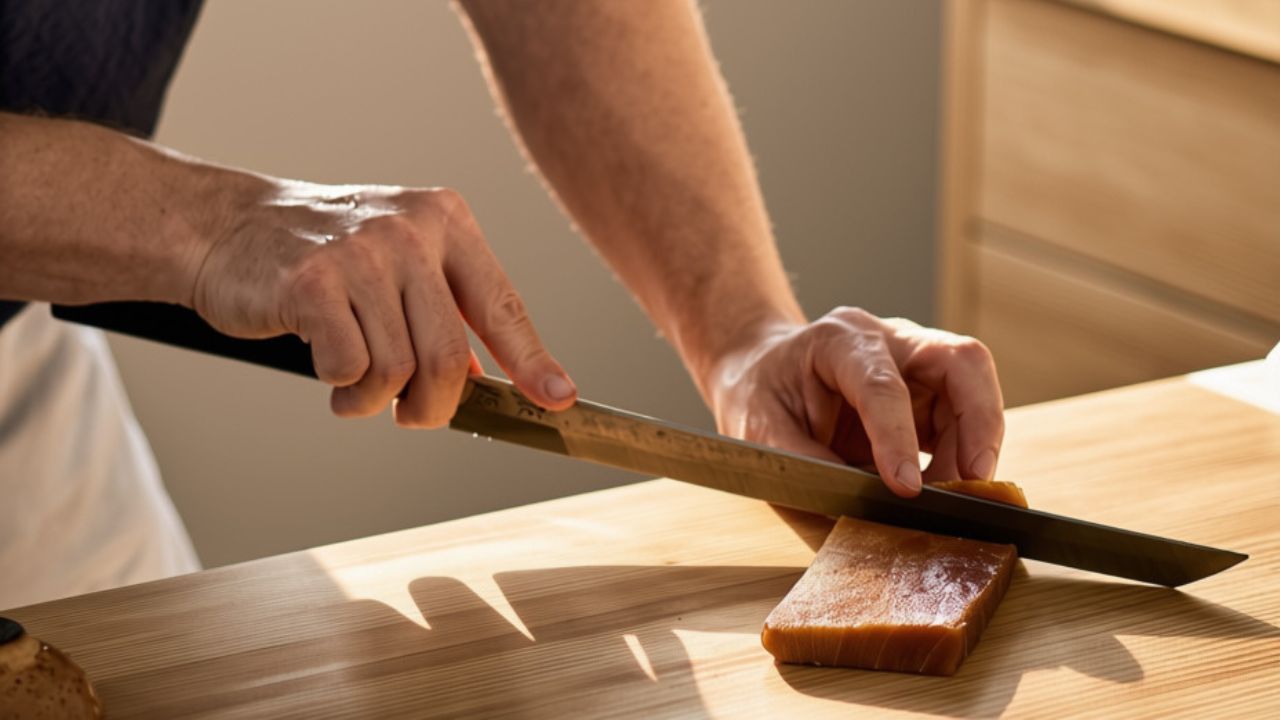
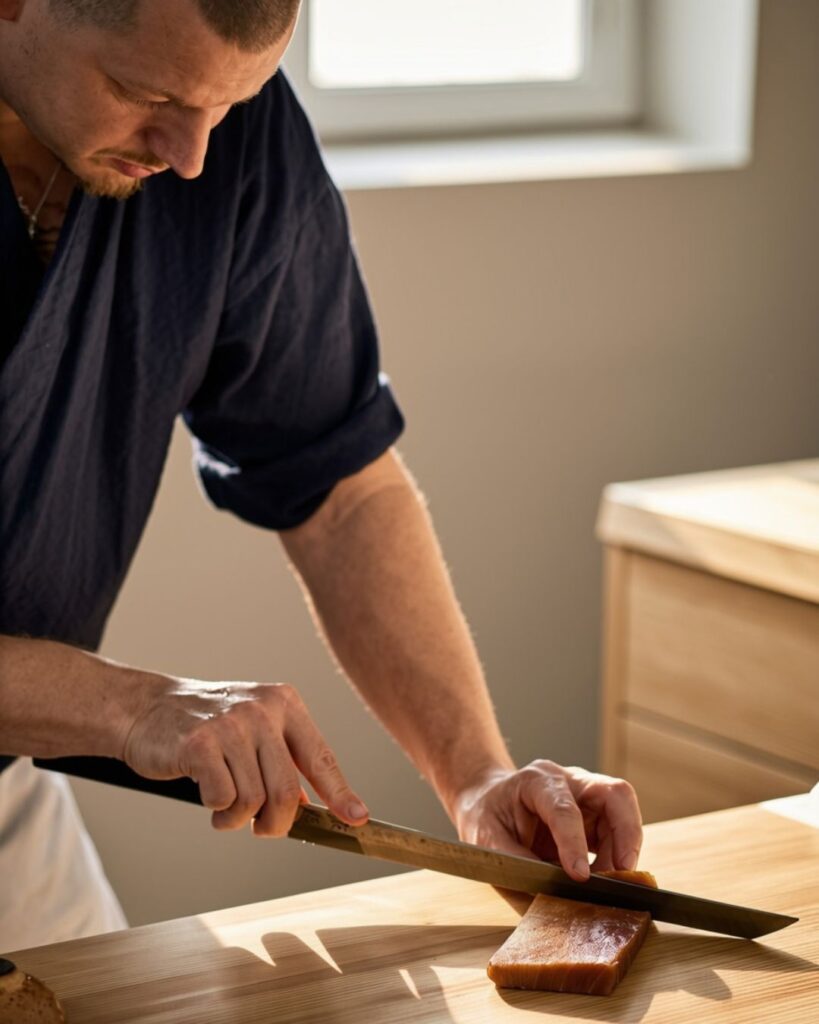
Wooden cutting boards are a great everyday option. They are durable, comfortable to use and generally gentler on knife edges than harder surfaces. Wood also has natural properties that can make it less hospitable to some bacteria than you might expect. However, this does not mean that a wooden board is antibacterial or that it does not need proper cleaning.
The key is maintenance. A good wooden board should be washed after use, dried thoroughly and treated with food-safe oil when needed. Deep cracks and heavily damaged surfaces should be avoided because they can become more difficult to clean effectively.
Plastic Cutting Boards
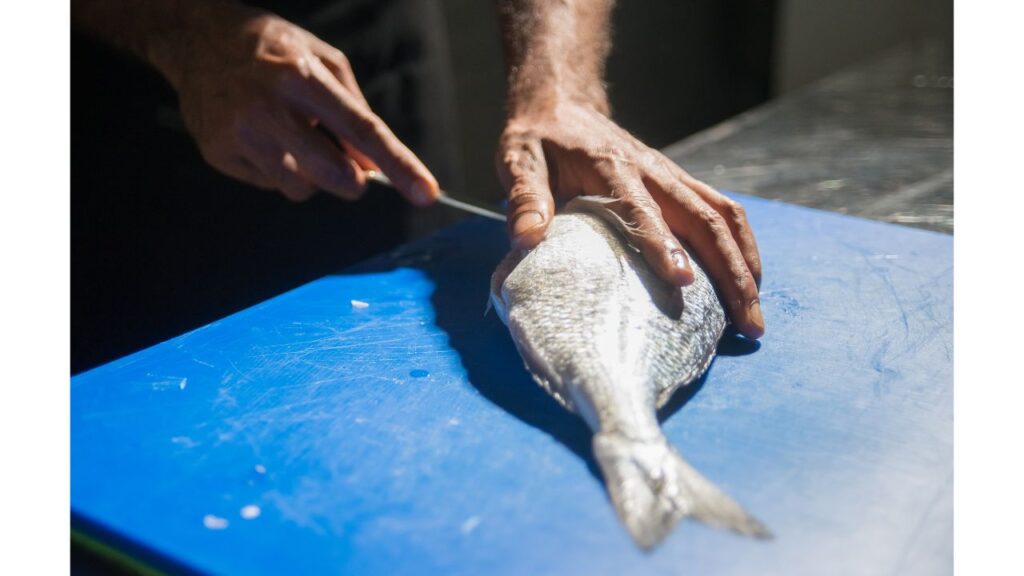
Plastic boards are lightweight, affordable and convenient, particularly because many can be cleaned in the dishwasher. This makes them a practical choice when working with raw meat, poultry and fish, where preventing cross-contamination is especially important.
The downside is that plastic boards become increasingly scratched as you use them. Every cut from a knife creates another tiny groove in the surface. When a board becomes heavily scarred, it can become more difficult to clean thoroughly — and that is a good reason to replace it.
What About Microplastics?
There is another consideration with plastic cutting boards: microplastic particles.
Repeated chopping and cutting can cause small pieces of plastic to wear away from the board. Studies have found that cutting on plastic boards can release microplastic particles, although the health significance of exposure from cutting boards is still not fully understood.
This does not mean that every plastic cutting board is dangerous, but it is one reason why some people prefer to minimize plastic contact with food, especially for everyday chopping of vegetables, fruit, herbs and bread.
So, Which Cutting Board Should You Use?
For everyday cooking, a well-maintained wooden board is a practical choice. It is durable, comfortable to use, kind to your knives and avoids the concern of plastic particles being released during repeated cutting.
For raw meat, poultry and fish, keeping a separate plastic board can make sense because it is easy to clean and sanitize, particularly if it is dishwasher-safe. Once the surface becomes deeply scratched, however, it should be replaced.
Food Meets Science is gathering place to connect all food lovers from all over the world and create a community of all those for whom food and science is passion.