Green, Yellow and Red Bell Peppers: What’s the Difference?
Did you know that green, yellow and red bell peppers can actually be the same plant at different stages of ripeness?
The longer a bell pepper stays on the plant, the more it changes – not only in color, but also in flavor, texture and nutritional composition.
So what exactly happens as a bell pepper ripens?
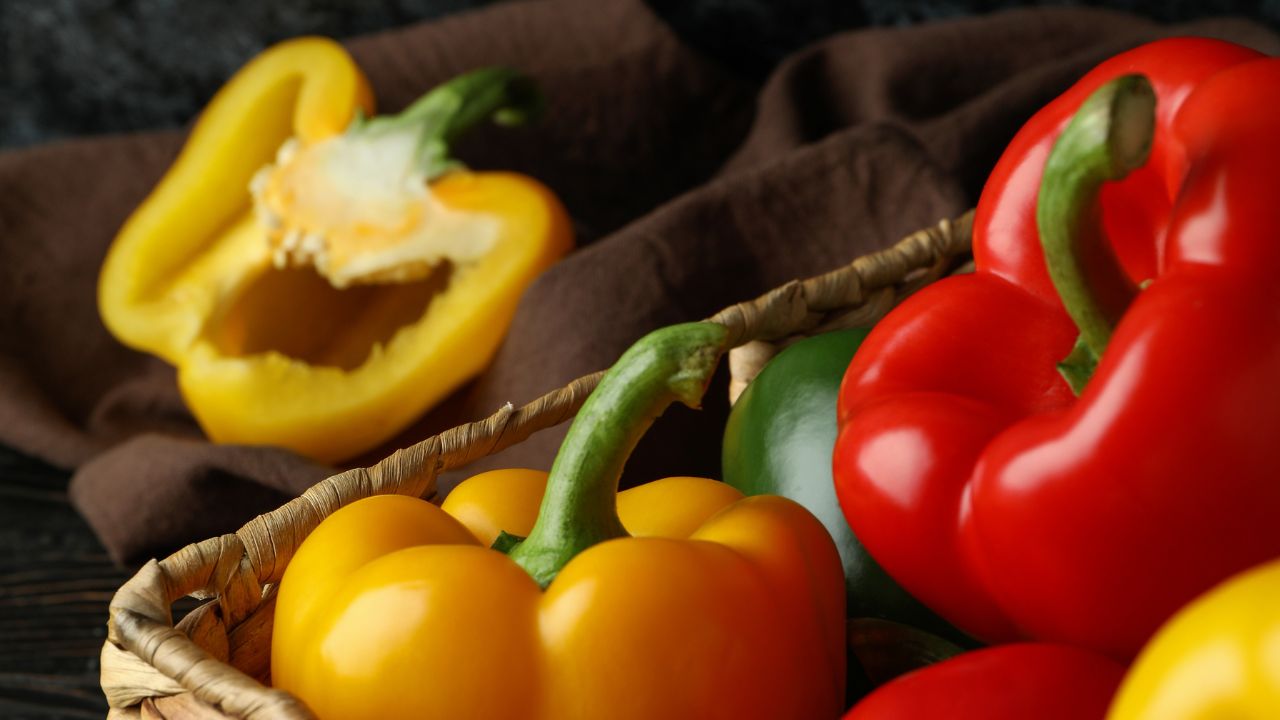
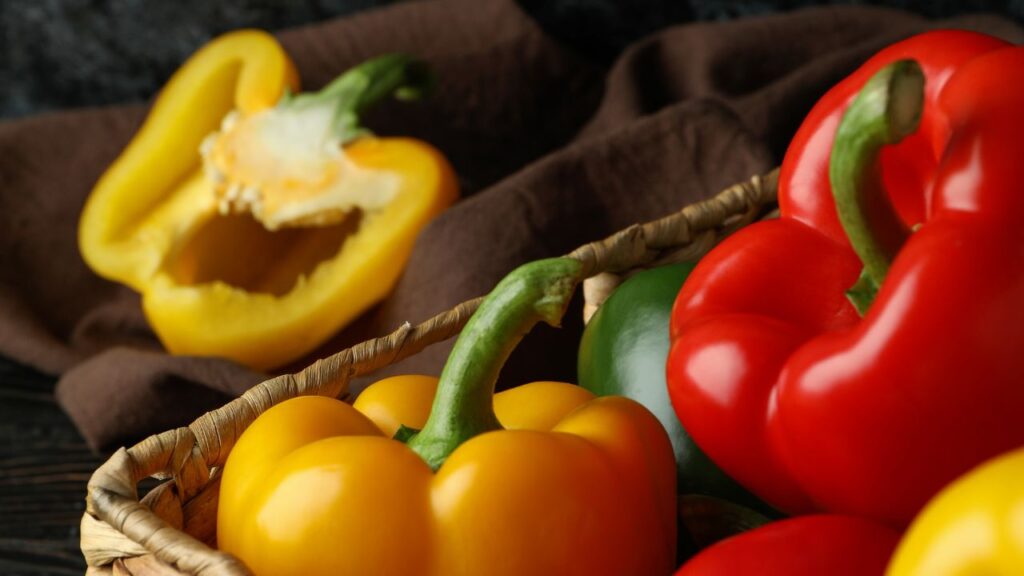
Green Bell Peppers
Green bell peppers are harvested before they are fully ripe. Their green color comes from chlorophyll, the same pigment that gives leaves their characteristic color.
Because they are picked earlier, green peppers tend to have a firmer, crunchier texture and a more vegetal, slightly bitter flavor. They also contain less sugar than their more mature counterparts, which contributes to their less sweet taste.
If left on the plant, the pepper continues to mature. Chlorophyll gradually breaks down, allowing other pigments to become more visible and the pepper to develop a different color.
Yellow Bell Peppers
Yellow bell peppers are more mature than green ones. As the pepper ripens, its chlorophyll content decreases and yellow pigments become more prominent.
This change is accompanied by changes in flavor. Yellow peppers are generally milder and sweeter than green peppers, with a softer texture and less bitterness.
They also have a different nutritional profile from green peppers. Ripening changes the levels of various plant compounds, including carotenoids and antioxidants.
Red Bell Peppers
Red bell peppers are typically the fully ripe stage of varieties that mature from green to red.
By this point, most of the green chlorophyll has broken down and red carotenoid pigments have accumulated. The result is the bright red color we associate with ripe bell peppers.
Red peppers are usually the sweetest of the three, because they have had more time to develop sugars during ripening. They are also particularly rich in vitamin C. In fact, red bell peppers generally contain considerably more vitamin C than green ones, although the exact amount depends on the variety and growing conditions.
Their longer time on the plant also allows other antioxidant compounds to develop and accumulate.
Are They Actually the Same Pepper?
Often, yes – but not always.
A green pepper can mature into a yellow or red pepper depending on the variety. However, not every green bell pepper will eventually turn red. Some varieties are genetically programmed to become yellow when fully ripe.
So the color of a bell pepper depends on both its genetics and its stage of ripeness.
And What About the Spice?
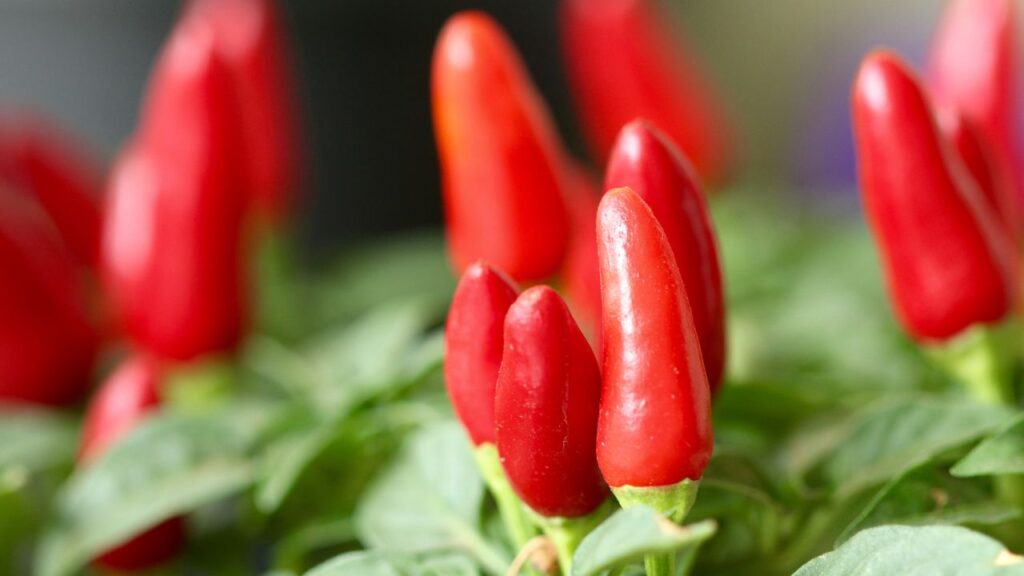
Despite their relationship to chili peppers, green, yellow and red bell peppers are not spicy.
The burning sensation in chili peppers comes mainly from capsaicin and related capsaicinoids. Bell peppers do not accumulate these compounds in the same way, which is why they remain sweet rather than hot.
The Simple Answer
The color of a bell pepper tells you more than you might think.
Green peppers are less ripe, crunchier and more vegetal.
Yellow peppers are more mature, milder and sweeter.
Red peppers are fully ripe, usually the sweetest and particularly rich in vitamin C.
So next time you’re choosing between the three, you’re not just choosing a color – you’re choosing a different stage of the pepper’s life.
Food Meets Science is gathering place to connect all food lovers from all over the world and create a community of all those for whom food and science is passion.