Why Do Fruits and Vegetables Change After Cutting? The Science Explained
Every time you slice an apple, chop an onion or prepare a fresh salad, you’re triggering a series of fascinating chemical reactions. Plants may not feel pain, but they certainly respond to damage. Those responses affect the color, texture, smell and even the taste of our food.
Let’s explore what really happens inside some of the most common fruits and vegetables after they’re cut.
Why Do Apples Turn Brown?
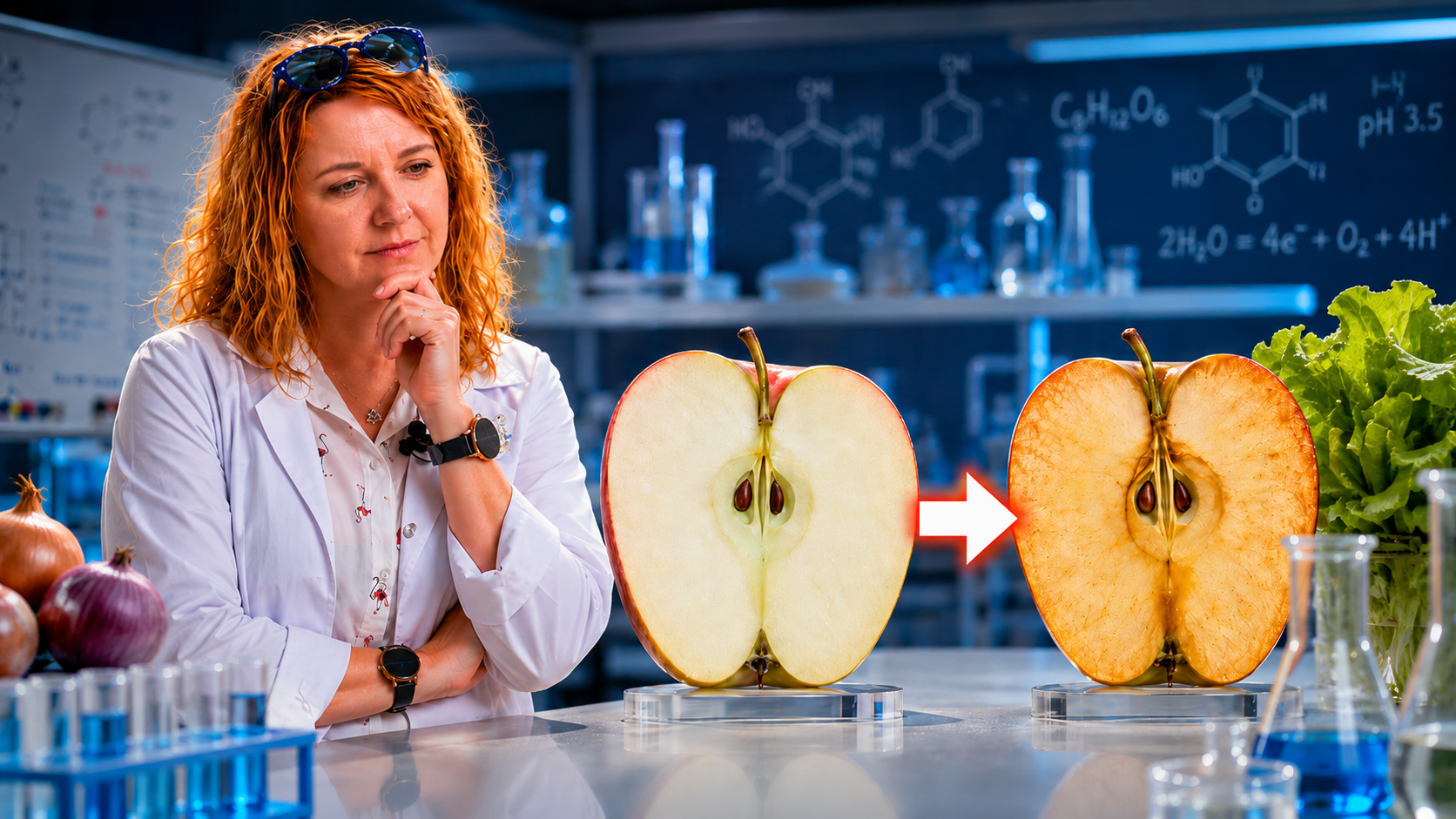
A freshly sliced apple looks crisp, bright and delicious. However, leave it on the counter for a few minutes and the surface starts turning brown. It’s a natural defense mechanism known as enzymatic browning.
When the cells are damaged by cutting, an enzyme called polyphenol oxidase (PPO) comes into contact with oxygen in the air. The enzyme converts naturally occurring polyphenols into brown-colored compounds called melanins.
Can You Prevent Browning?
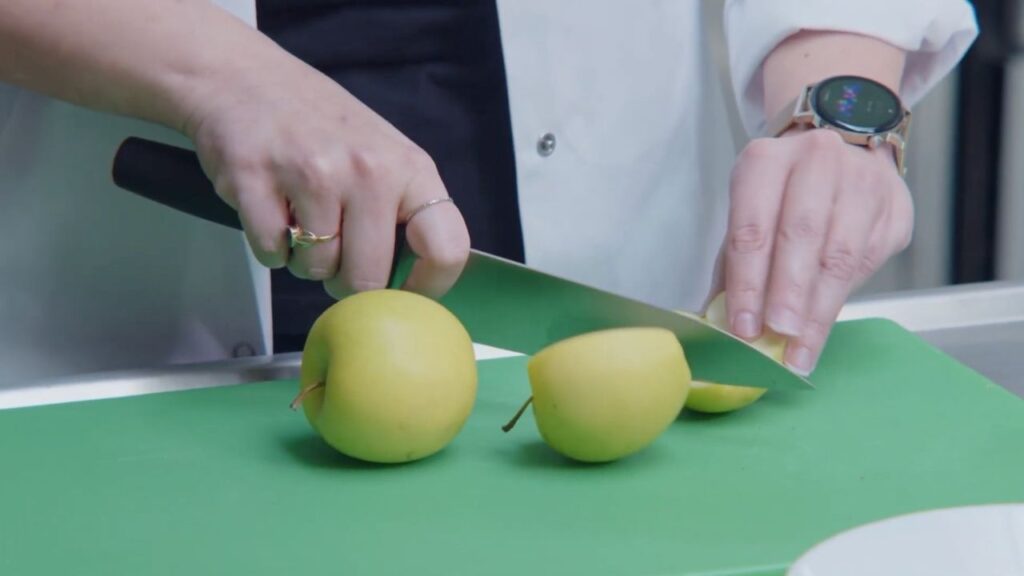
We tested several common methods, including lemon juice, cold water and blanching.
In our experiment, lemon juice gave the best overall results – apples stayed crisp while browning was almost completely prevented.
Source: created by the author
Why Is Tearing Lettuce Better Than Cutting It?
Have you ever noticed that lettuce starts developing brown edges soon after it’s cut?
Once the leaves are damaged, enzymes become exposed to oxygen, triggering reactions that slowly change the leaf’s appearance and flavor. The lettuce begins to lose its crispness, develop bitterness and show brown edges.
Interestingly, how you prepare lettuce matters.
When you cut lettuce with a knife, the blade slices through thousands of plant cells, causing more damage to the leaf. Tearing, on the other hand, follows the lettuce’s natural structure, leaving fewer cells damaged and helping the leaves stay fresh for longer.
Why Do Onions Make Us Cry?
Unlike apples, onions don’t simply react to being cut – they fight back.
Inside onion cells are sulfur-containing compounds and an enzyme called alliinase. While the onion is intact, these substances remain separated. The moment you slice into it, they mix together and produce a volatile gas called syn-propanethial-S-oxide (C₃H₆OS).
When this gas reaches your eyes, it reacts with moisture on the eye’s surface, forming mild irritating compounds that stimulate tear production.
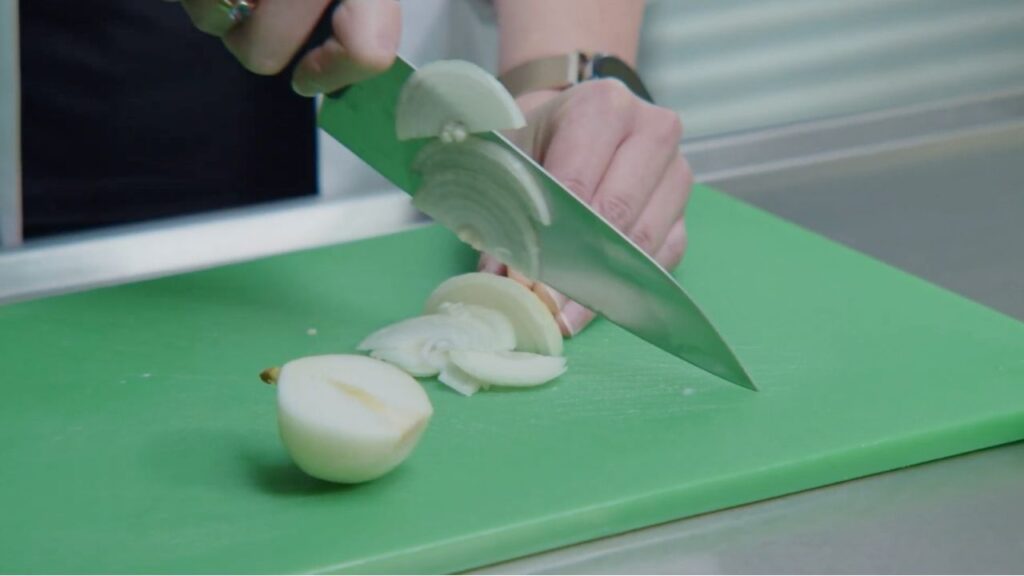
Tested Onion Cutting Tricks:
chilling the onion before cutting,
using a sharp knife,
cutting near water,
cutting slowly and carefully.
Source: created by the author
Why Do Cucumbers Become Soft After Cutting?
A fresh cucumber is crisp because each cell is filled with water under pressure. That’s a phenomenon called turgor pressure. When you slice a cucumber, many of those cells rupture, allowing water to escape.
Over time, the slices become softer, less juicy and less crunchy.
Adding salt speeds up this process through osmosis, pulling water out of the cells. Within minutes, the cucumber becomes noticeably softer and releases visible amounts of liquid.
That’s exactly why salting cucumbers is so effective when preparing salads or pickles.
Plants React – Just Not Emotionally
Plants don’t experience emotions the way animals do, but they are far from passive.
Every cut activates sophisticated biochemical defense mechanisms designed to protect damaged tissue. Some reactions create brown pigments. Others produce irritating gases. Some alter texture or accelerate water loss.
Understanding these everyday reactions can help you keep produce fresher for longer and remind you that even the simplest kitchen tasks are full of fascinating science.
Food Meets Science is gathering place to connect all food lovers from all over the world and create a community of all those for whom food and science is passion.