How to Pick the Perfect Watermelon: 5 Signs It’s Sweet and Ripe

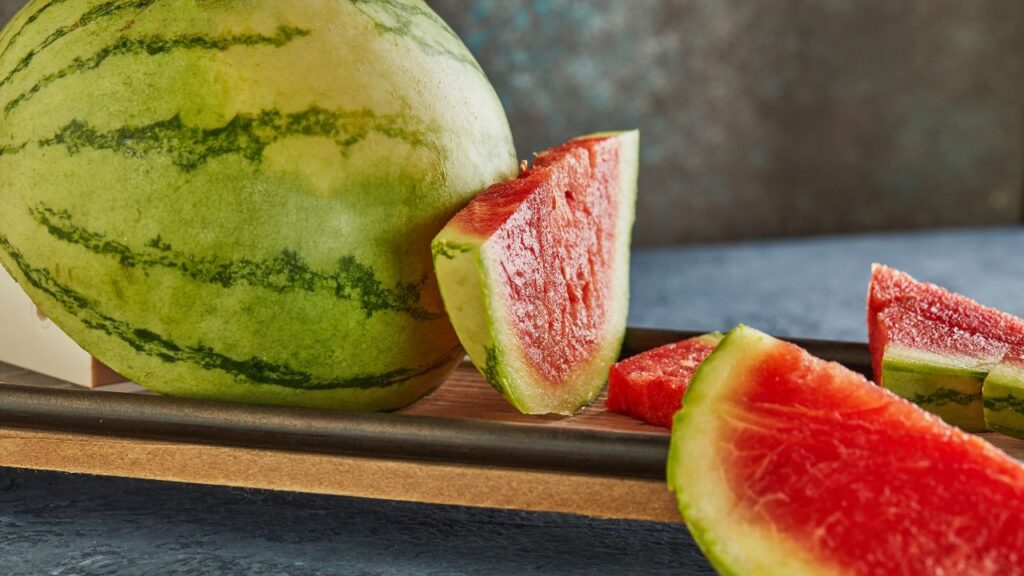
A ripe watermelon should be sweet, juicy, and full of flavor – but choosing one at the store can feel like a guessing game. Since you can’t cut it open to check the inside, knowing how to pick a watermelon comes down to looking for a few simple clues.

From the color of the field spot to the weight and shape of the fruit, these signs can help you choose a ripe watermelon with a better chance of being sweet and juicy.

Look for the Field Spot

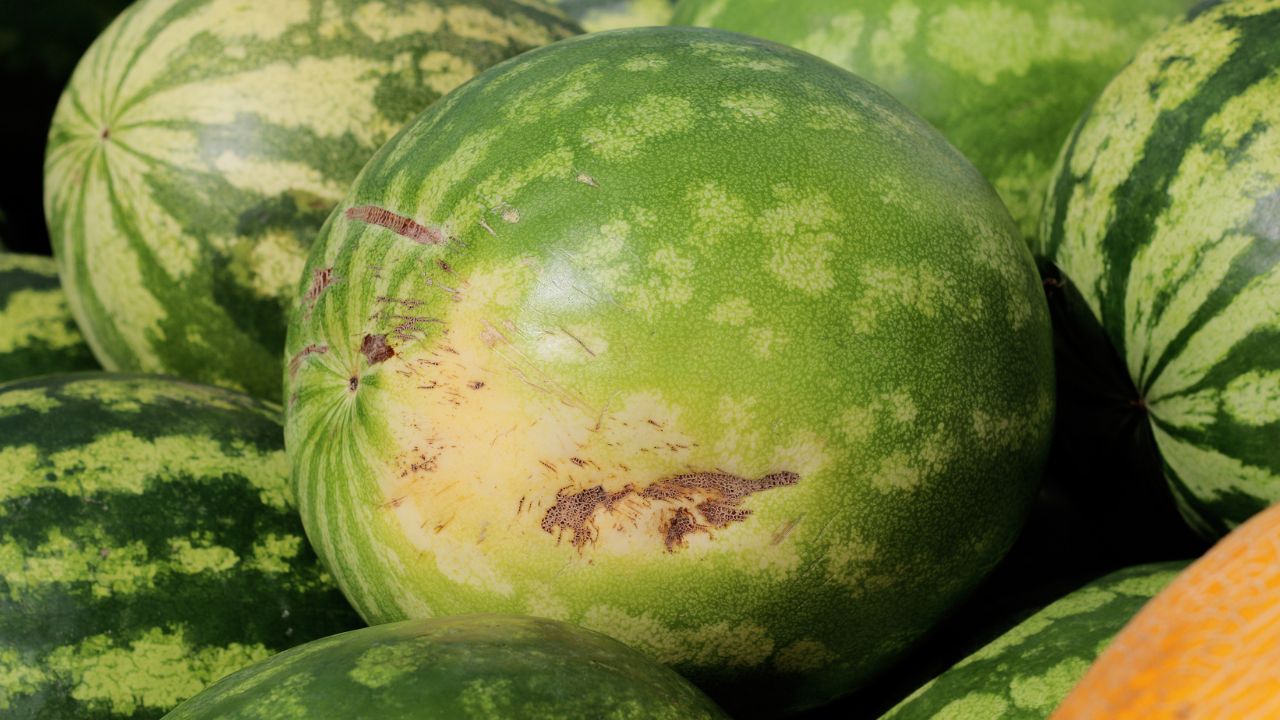
One of the easiest ways to tell if a watermelon is ripe is by checking the field spot – the creamy patch where the watermelon rested on the ground while it was growing.

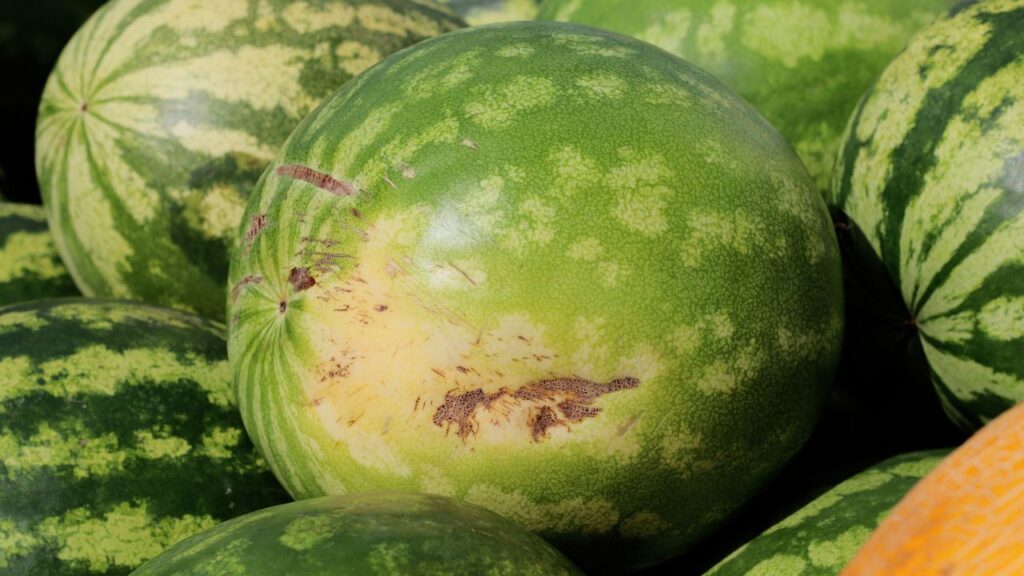
A ripe watermelon should have a deep yellow or creamy yellow field spot. This usually indicates that the fruit had enough time to mature on the vine. If the spot is white or very pale, the watermelon may have been picked before it was fully ripe.

The field spot doesn’t need to look perfectly uniform, but a noticeably yellow or creamy color is generally a good sign when you’re trying to choose a sweet watermelon.


Pick Up the Heaviest One

When choosing a watermelon, don’t just compare how big it looks. Pick it up and pay attention to its weight.

A good watermelon should feel heavy for its size. Because watermelon is mostly water, a heavier fruit often contains plenty of juice and has a dense, well-hydrated flesh.

If two watermelons are similar in size, choose the heavier one. This simple trick can help you narrow down your options when several fruits look equally good.

Check the Shape

Look for a watermelon with a uniform, symmetrical shape. A consistently shaped fruit generally indicates that it developed evenly while growing.

Avoid watermelons with large dents, pronounced bumps, deep indentations, or unusually irregular curves. These don’t necessarily mean the fruit is bad, but they can sometimes be signs of uneven growth or other problems.

Whether the watermelon is round or more oval, the important thing is that its overall shape looks balanced and well-developed.


Don’t Ignore the Skin

The appearance of the rind can also give you clues about ripeness. A ripe watermelon typically has a dull, matte skin rather than a very shiny surface.

The rind should feel firm, with no soft or sunken areas. Avoid fruit with deep cracks, bruises, cuts, or mushy spots, as these can indicate damage or deterioration.

For striped watermelons, look for clearly defined stripes and a healthy-looking rind. A slightly rough or dull appearance is generally preferable to a watermelon that looks unusually glossy.


Give It a Tap

Many people tap a watermelon before buying it—and while this method isn’t foolproof, it can provide another clue.

A ripe, juicy watermelon often produces a deep, hollow sound when tapped. An underripe watermelon may produce a higher-pitched sound, while an overripe or damaged fruit can sometimes sound dull.

Don’t rely on the tapping test alone, though. It’s much more useful when combined with other signs, such as the field spot, weight, shape, and rind.


Check the Stem

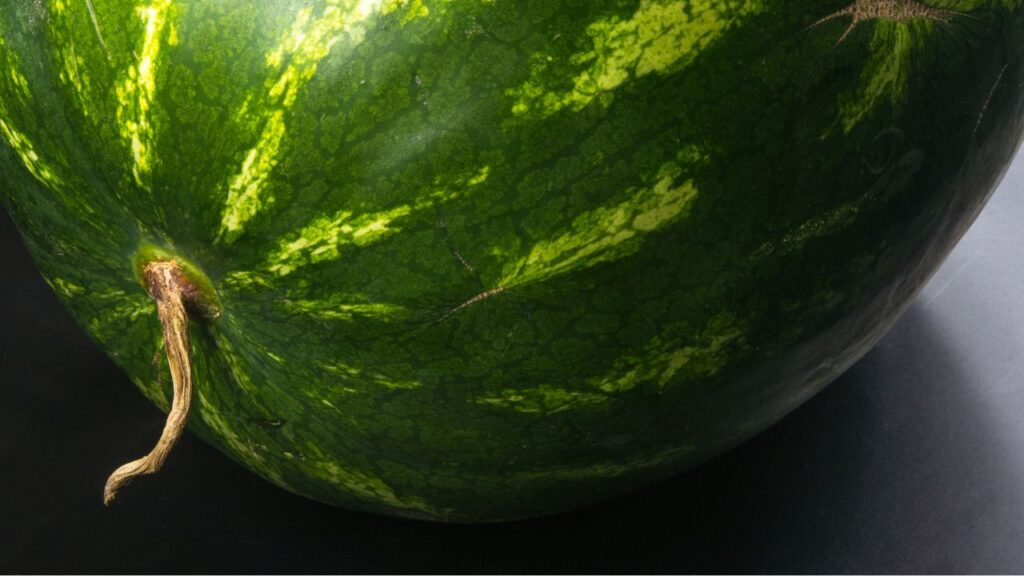
If part of the stem is still attached, take a quick look at it. A dry, brownish stem can be a sign that the watermelon had time to mature before being harvested.

A very green stem may indicate that the fruit was picked more recently or before it had fully matured. However, stem appearance isn’t always a reliable indicator because the stem can change after harvest, so use it as an additional clue rather than the deciding factor.


The Bottom Line

Knowing how to choose a watermelon doesn’t have to be difficult. When you’re shopping, look for a creamy yellow field spot, a heavy weight, a symmetrical shape, and a dull, firm rind. You can also tap the watermelon for a deep, hollow sound and check the stem if it’s still attached.

No single test can guarantee that a watermelon will be perfectly sweet, but combining several of these signs can greatly increase your chances of bringing home a ripe, juicy, and flavorful watermelon.

Food Meets Science is gathering place to connect all food lovers from all over the world and create a community of all those for whom food and science is passion.


info@thebestchefawards.com