



Can You Eat Moldy Cheese? When It’s Safe and When to Throw It Away
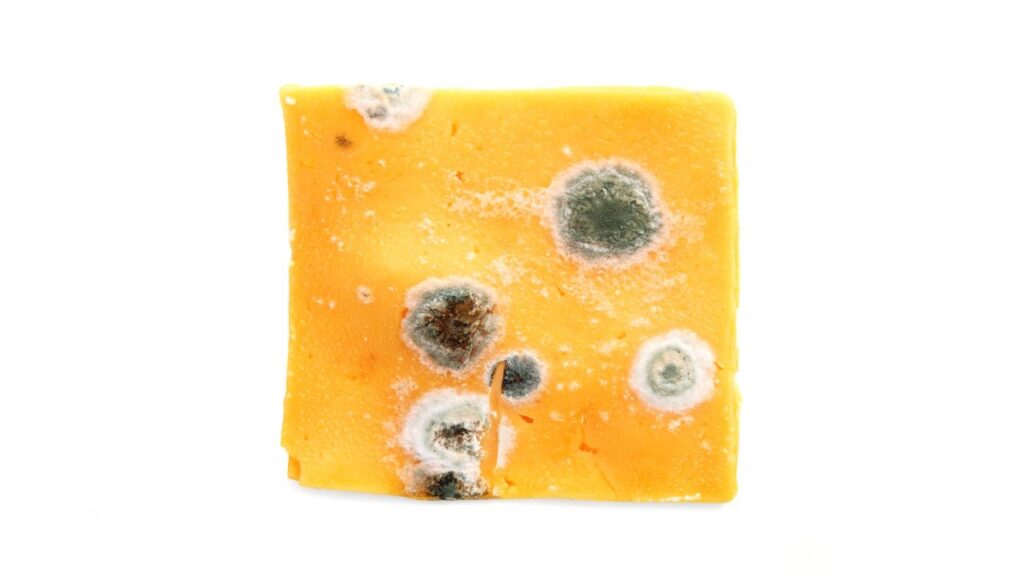
Finding mold on cheese can be alarming. But does every patch of mold mean you have to throw the entire piece away? Not necessarily.
Whether cheese is safe to eat after mold appears depends on the type of cheese, the type of mold, and how much of the cheese is affected.
Why Does Cheese Get Moldy?
Mold is a type of fungus that can grow when cheese is exposed to air, moisture, and the right temperature. Some molds are intentionally used to produce certain cheeses, while others can indicate spoilage.
The important distinction is between molds that are part of the cheesemaking process and unwanted mold that develops after the cheese has been produced.
Can You Eat Moldy Cheese?
It depends on the cheese.
Soft cheeses, including cream cheese, cottage cheese, ricotta, and other high-moisture cheeses, are different. Mold can spread below the surface even when it is not visible. For these cheeses, it is generally safer to discard the entire product if unwanted mold appears.
What About Blue Cheese?
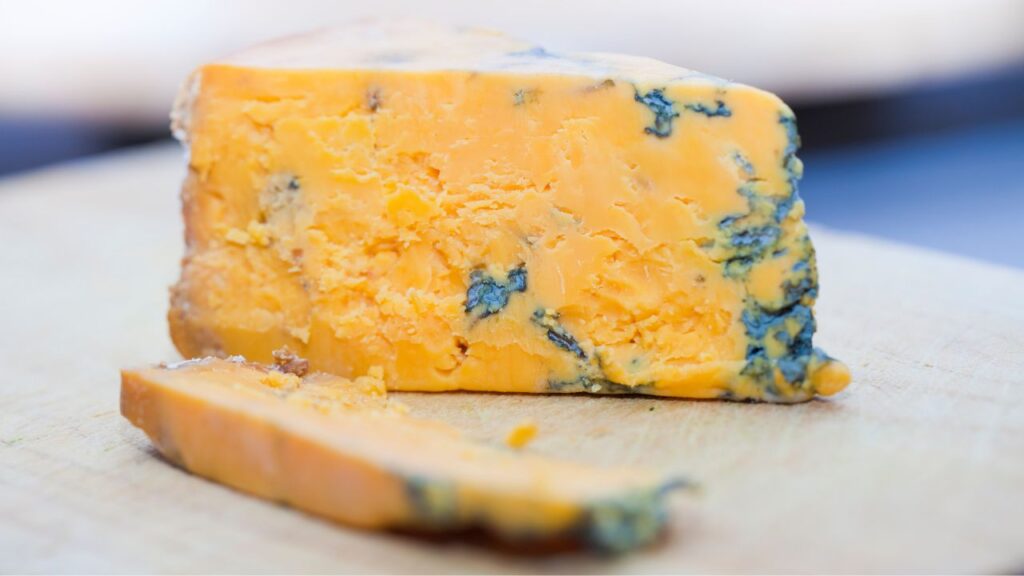
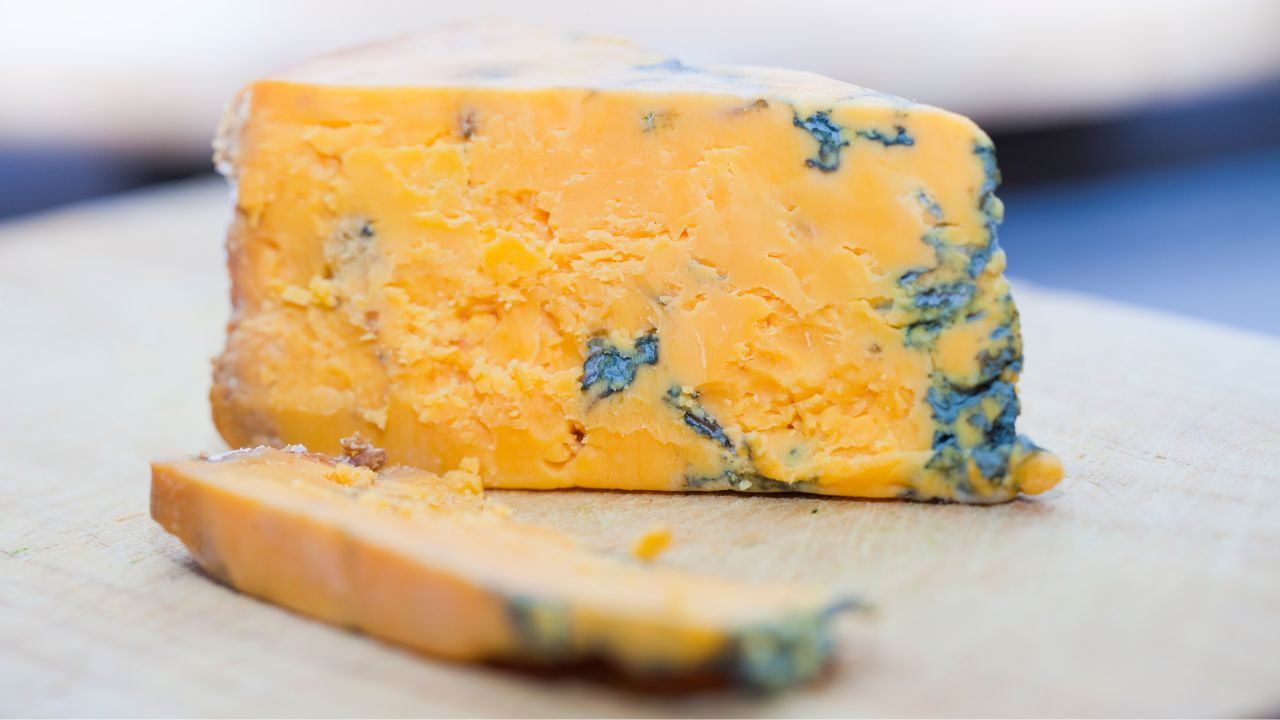
Blue cheese is a special case. Molds are deliberately introduced during production to create its characteristic color, flavor, and aroma.
Blue cheeses such as Roquefort, Gorgonzola, and Stilton are therefore supposed to contain specific types of mold.
However, if you notice mold that is different from what is normally present, especially unusual colors, textures, or smells, the cheese may have spoiled.
So, Can You Eat Moldy Cheese?
Not all cheese mold means the same thing. Some molds are an essential part of cheesemaking, while unwanted mold can indicate spoilage.
As a general rule, hard cheeses may sometimes be salvaged by cutting away mold generously, while soft, high-moisture cheeses should generally be discarded when unwanted mold appears.
Knowing the difference can help you avoid unnecessary food waste without taking unnecessary risks with food safety.