Why Do We Always Have Room for Dessert? The Science Explained

You’ve just finished a big dinner. You’re full, your stomach feels packed, and you’re sure you couldn’t eat another bite.

Then someone brings out dessert.

Suddenly, that slice of cake, bowl of ice cream or piece of chocolate looks impossible to resist. Somehow, you have room again.

It may feel like you have a mysterious “second stomach” reserved exclusively for sweets. But there’s a scientific explanation for why dessert can still seem appealing after a filling meal.

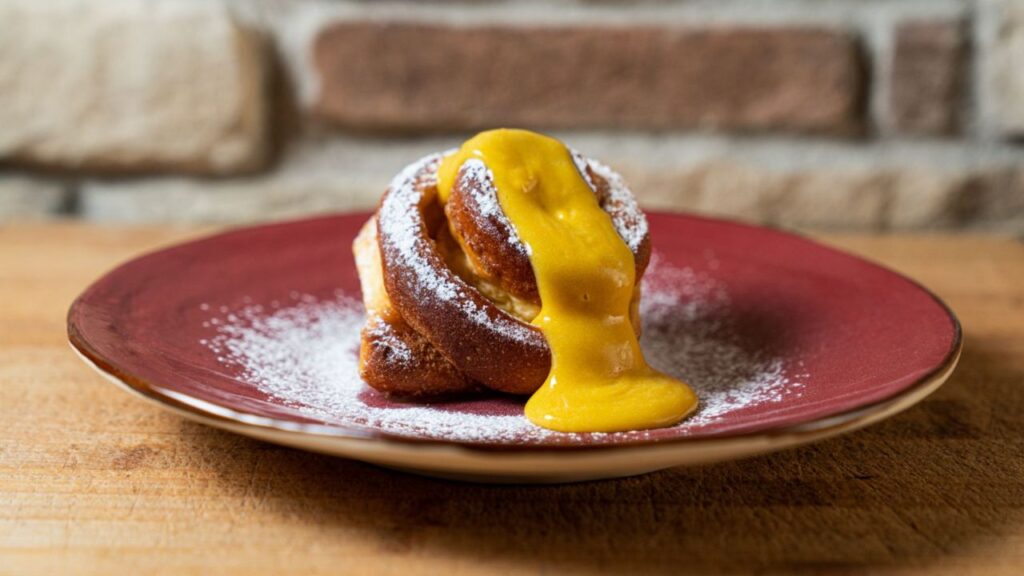
Rose Cake, Zabaglione - Antonio Pappalardo @antoniopappalardochef Inedito Pizzeria @inedito.pizzeria

Why You Want Dessert When You’re Full?

One of the reasons we can suddenly want dessert is a phenomenon called sensory-specific satiety.

As you eat the same food, its taste, smell and texture gradually become less exciting. You may still enjoy it, but your brain becomes less interested in eating more of that particular food.

This is why you can reach the point where you think, “I couldn’t eat another bite of this.”

Then you see the dessert menu, and suddenly, you somehow have room for cake.

A completely different flavour – especially something sweet – can bring back your appetite. Your brain is no longer receiving the same sensory experience, so the new food can suddenly seem much more appealing.

In simple terms, you may be full of the meal, but not necessarily tired of the idea of eating something completely different.


Why You Crave Dessert After a Big Meal?

There is another important part of the story: your stomach.

Your stomach is designed to expand as you eat. When food enters it, the upper part relaxes and accommodates the additional volume. This process is known as gastric accommodation.

So even after a substantial meal, your stomach isn’t simply a completely fixed container with no room left.

The sight, smell or thought of an appealing food can also trigger responses in your digestive system as your body prepares for eating. Your brain and digestive tract are constantly communicating, influencing both physical fullness and the desire to eat.

This helps explain why dessert can feel like it has somehow created a little extra space.

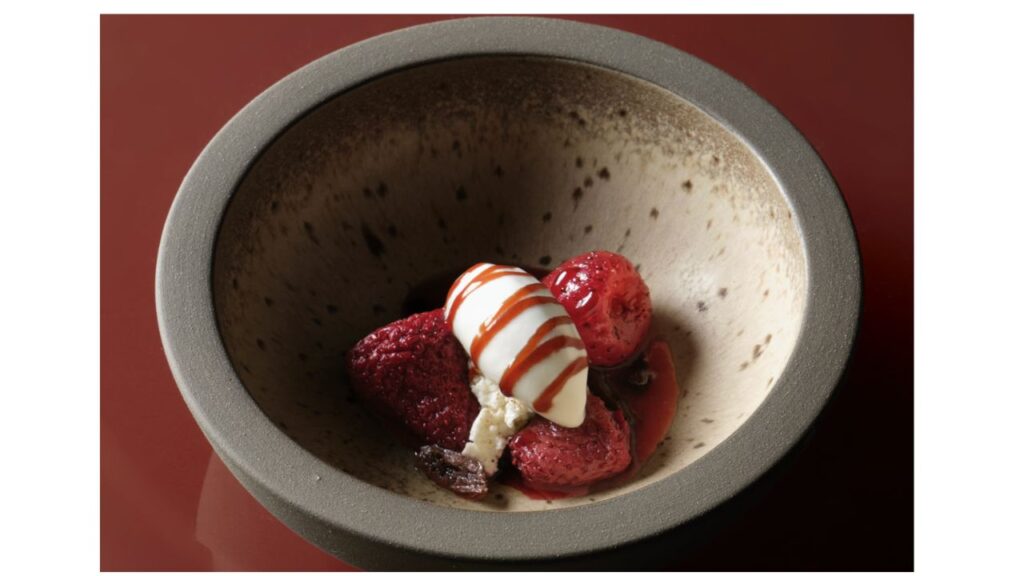
Zuccarella - Michelangelo Mammoliti @michelangelo_mammoliti La Rei Natura @lareinatura

More Than Just Hunger

The desire for dessert isn’t necessarily a sign that your body suddenly needs more energy. We also eat because food is enjoyable, comforting or simply looks appealing. This is sometimes described as hedonic eating – eating for pleasure rather than physical hunger.

After eating the same savory meal, sensory-specific satiety can make you less interested in those familiar flavors. But when something completely different appears – warm chocolate cake, cold ice cream or a fruit tart – the new combination of flavors, aromas and textures can make eating feel exciting again.

Your stomach might be saying, “I’m full,” while your brain is saying, “But that cake looks amazing.”

So, Is There Really a “Dessert Stomach”?

There is no special compartment in your stomach reserved for sweets. What feels like a “second stomach” is the result of several processes happening together.

Sensory-specific satiety can make you less interested in the savory food you’ve just eaten. A sweet and highly palatable dessert provides a completely new sensory experience. Meanwhile, your stomach can accommodate additional food, and your brain’s reward and motivation systems can increase your desire to eat it.

So the next time you finish a huge dinner and somehow find room for dessert, don’t blame a mysterious “second stomach”.

Your brain may simply have decided that you’re not done eating yet.

Food Meets Science is gathering place to connect all food lovers from all over the world and create a community of all those for whom food and science is passion.


info@thebestchefawards.com