Vegetarian Diet: Essential Nutrients You Need to Know About

A vegetarian diet can be healthy when well planned, but simply removing meat isn’t enough. You also need to replace the nutrients it provides with a varied mix of plant-based protein, whole grains, legumes, nuts, vegetables and other nutrient-rich foods.

The key to a healthy vegetarian diet isn’t just what you leave out, but what you put in its place.

Brae farm vegetable garden – Dan Hunter | @chefdanhunter

Vitamin B12 Is the Big One

Vitamin B12 deserves particular attention when going vegetarian.

B12 is naturally found mainly in animal-derived foods, so vegetarians may have a harder time getting enough, especially if they also limit eggs and dairy products.

The vitamin is essential for normal red blood cell formation, nerve function and DNA synthesis. A deficiency can develop gradually and may cause fatigue, weakness or neurological problems.

For this reason, people following a vegetarian or vegan diet should make sure they get a reliable source of B12 through fortified foods or supplements, depending on their diet and individual needs.


Don’t Overlook Iron, Zinc and Omega-3s

Meat provides heme iron, which is absorbed relatively efficiently, while plant foods contain non-heme iron, which is generally less readily absorbed. However, foods such as lentils, beans, chickpeas, tofu, seeds, nuts and leafy greens can all contribute to your iron intake. Eating them alongside vitamin C-rich foods, such as peppers, citrus fruits, berries or tomatoes, can help improve iron absorption.

Zinc also deserves attention, as some plant foods contain phytates that can reduce how much zinc the body absorbs. Legumes, whole grains, nuts, seeds and dairy products are useful vegetarian sources, while soaking, sprouting or fermenting foods can improve mineral availability.

Omega-3s are another consideration, particularly for vegetarians who do not eat fish. Chia seeds, flaxseeds, walnuts and hemp seeds provide ALA, an omega-3 fatty acid that the body can convert into EPA and DHA, although the conversion is limited. If fish is not part of your diet, algae-based supplements can provide EPA and DHA directly.

Getting Enough Protein on a Vegetarian Diet

One of the biggest misconceptions about vegetarian diets is that they automatically lack protein.

In reality, there are plenty of plant-based protein sources. Lentils, beans, chickpeas, tofu, tempeh, peas, nuts, seeds and higher-protein dairy products can all contribute to your daily intake.

The bigger issue is variety. Instead of relying on one food, include different protein sources throughout the day.

And remember: not every vegetarian food is automatically nutritious. A diet based mostly on refined carbohydrates, cheese, sweets and highly processed meat substitutes can still be poorly balanced.

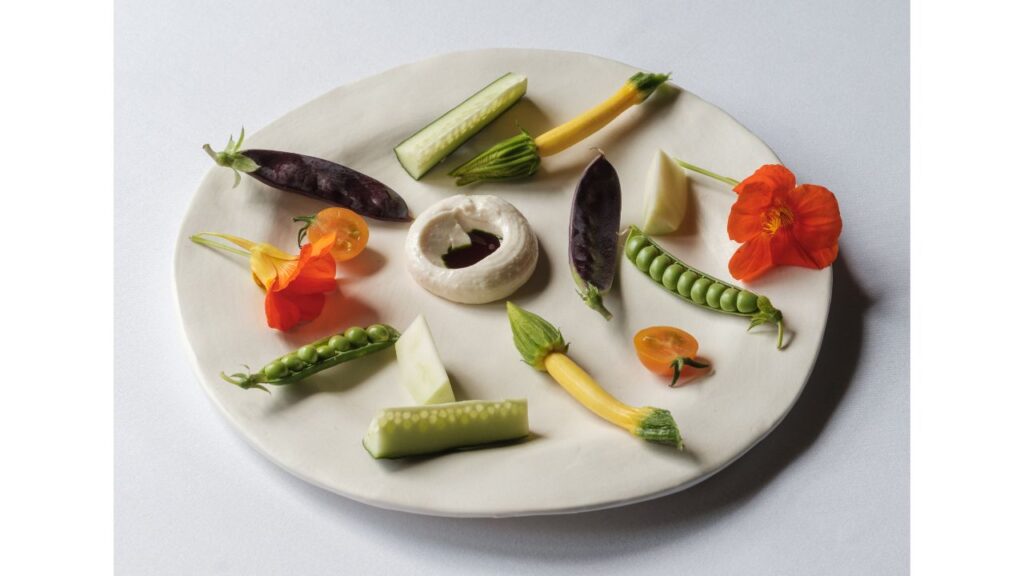
Crudités of farm vegetables by Merlin Labron-Johnson | @merlin_johnson. Photo by Dave Watts.

How to Build a Balanced Vegetarian Plate

Going vegetarian works best when meat is replaced with a variety of nutrient-rich foods rather than simply disappearing from the meal. A simple way to build a balanced plate is to include a source of protein, plenty of vegetables, a source of carbohydrates and some healthy fats.

Start with protein. Lentils, beans, chickpeas, tofu, tempeh, eggs and dairy products can help provide the protein your body needs. Then add plenty of vegetables and fruit for fiber, vitamins and minerals.

Include a source of whole-grain carbohydrates, such as brown rice, oats, whole-grain pasta, quinoa or whole-grain bread. These provide energy as well as fiber and other nutrients. Finally, add healthy fats from foods such as nuts, seeds, avocado or olive oil.

You don’t need every component to be perfectly balanced at every single meal. What matters most is variety across the day. Instead of asking, “What am I removing from my diet?”, think, “What am I adding to replace it?”

So, Is a Vegetarian Diet Healthy?

It can absolutely be healthy.

The important distinction is between a well-planned vegetarian diet and simply eating less meat.

If you remove meat without considering protein, iron, zinc, vitamin B12 and omega-3 intake, your diet may become less nutritious. But with a varied selection of plant foods and appropriate fortified foods or supplements, a vegetarian diet can meet your nutritional needs.

Food Meets Science is gathering place to connect all food lovers from all over the world and create a community of all those for whom food and science is passion.


info@thebestchefawards.com