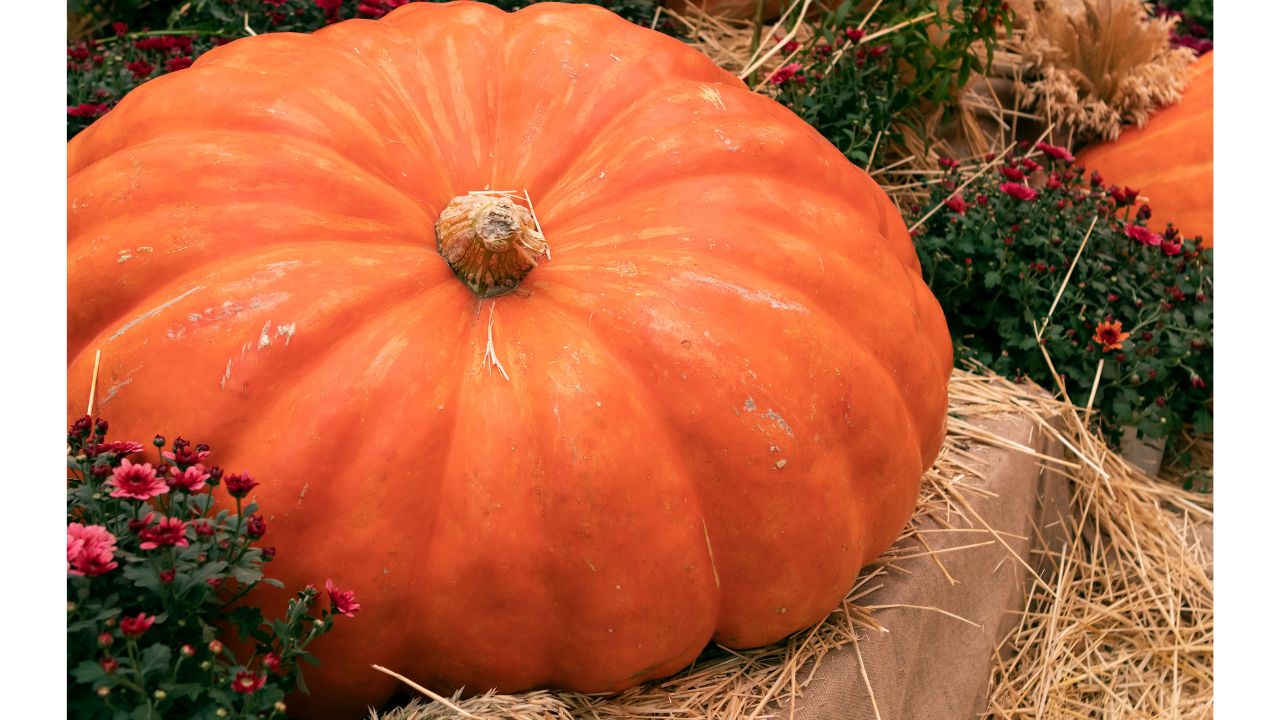
When we see massive pumpkins weighing as much as a small car at autumn fairs or on social media, it’s easy to think it’s the result of magic elixirs or pure luck.
The truth, however, is far more fascinating – lying at the intersection of rigorous science, genetics, and months of nearly obsessive grower dedication.
How is it possible for a regular vegetable to reach such unimaginable sizes?
Genetics: It All Starts in the Seed
In the world of giant vegetables, there is no room for random seeds scooped out of a grocery store pumpkin. Even the best soil and most abundant fertilization won’t help if the plant lacks the proper genetic code.
The absolute king of this discipline is the Atlantic Giant variety, bred through decades of careful selection and crossbreeding. Growers worldwide trade – and sometimes sell for hundreds of dollars – seeds originating directly from previous year’s champions. Without this unique genetic foundation, a pumpkin will stall out at a few dozen kilograms.
Astounding Growth Rates: Up to 30 Kilograms a Day
When the plant enters its peak growth phase (typically in the mid-summer), the speed of its development is truly awe-inspiring. At its peak, a well-nourished pumpkin can increase its mass by 20 to even 30 kilograms per day.
Such massive growth requires the rapid transport of enormous amounts of water and nutrients. The root system must be massive, and the leaves must act as high-efficiency photosynthesis factories, converting sunlight into building blocks of energy.
The Logistics of a Giant: Water, Diet, and Sun Protection
Growing a giant pumpkin resembles running a professional engineering project. These plants require thousands of liters of water delivered regularly straight to the root system, alongside a precisely balanced diet rich in nitrogen, phosphorus, potassium, and micronutrients.
Furthermore, growers must tend to every tiny detail:
– Strong sunlight can make the pumpkin’s skin tough and prone to cracking, so special parasols or protective tents are built over the growing specimens.
– Styrofoam or sand is placed underneath the fruit to prevent rotting from damp soil and to make eventual weighing easier.
– Main vines are carefully trimmed and buried under soil to stimulate the development of secondary roots, which absorb even more nutrients.
Source: Guinness World Records (https://www.guinnessworldrecords.com/world-records/heaviest-pumpkin)
The Guinness World Record
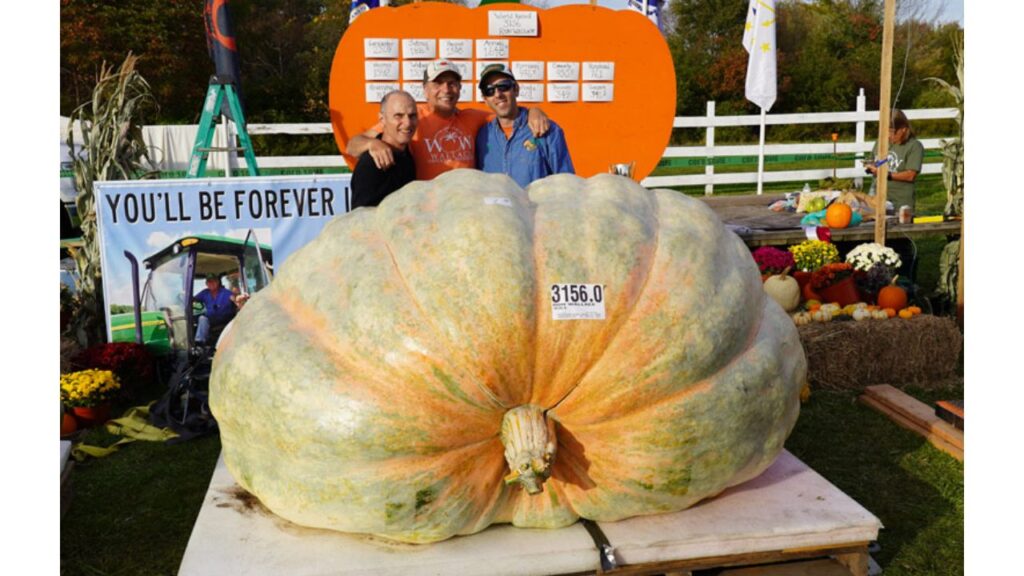
The pursuit of size has recently reached a historic milestone that pushed past boundaries once thought impossible. The heaviest pumpkin ever recorded weighed a staggering 1,431.5 kg (3,156 lb). It was grown by Ron Wallace (USA) and officially verified on 10 October 2026, by the Great Pumpkin Commonwealth at the Southern New England Giant Pumpkin Weigh Off at Frerichs Farm in Warren, Rhode Island, USA.
Food Meets Science is gathering place to connect all food lovers from all over the world and create a community of all those for whom food and science is passion.