Does Plate Color Affect Taste? The Science Behind Food Presentation
Can the color of a plate change how sweet, flavorful or appealing a dessert seems? Surprisingly, research suggests that it can. Even when the food stays exactly the same, the way it is presented may influence how we perceive its taste.
This is because eating is not just about flavor on the tongue. Our brains combine information from several senses, including sight, smell, touch and taste, to create the overall experience of a meal. And it all begins before the first bite.
The color of a plate can influence how we perceive the food served on it. In a study, researchers found that the color of the plate affected people’s ratings of strawberry mousse, including its perceived sweetness and flavor intensity.
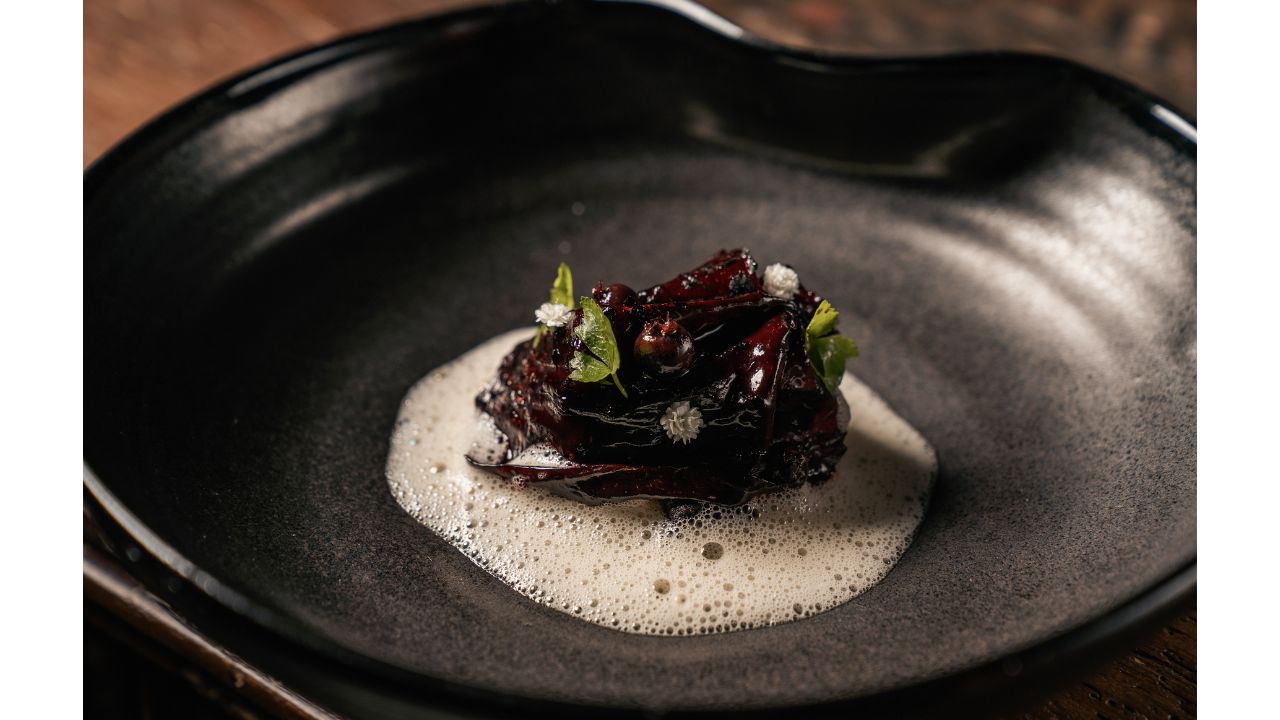
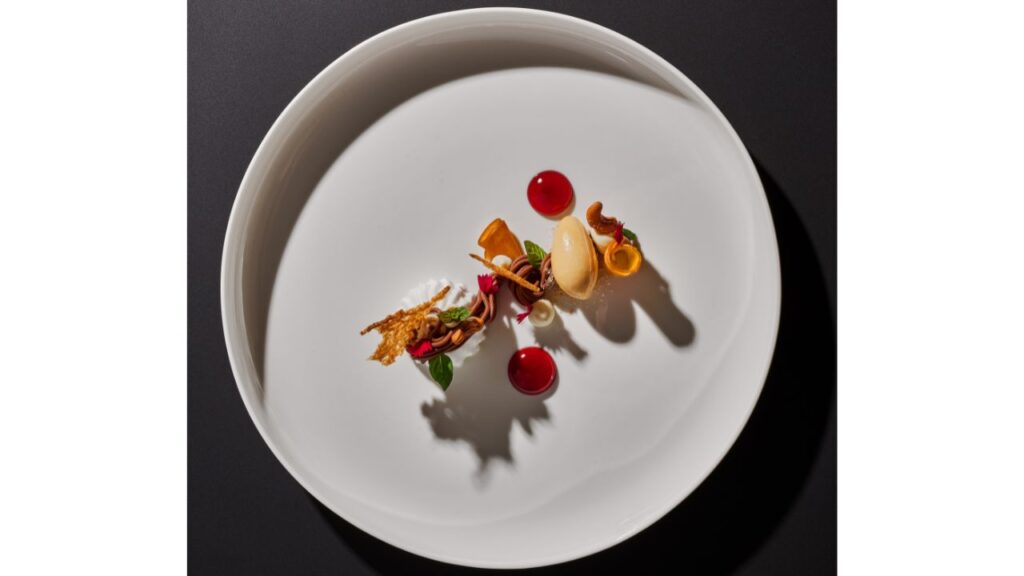
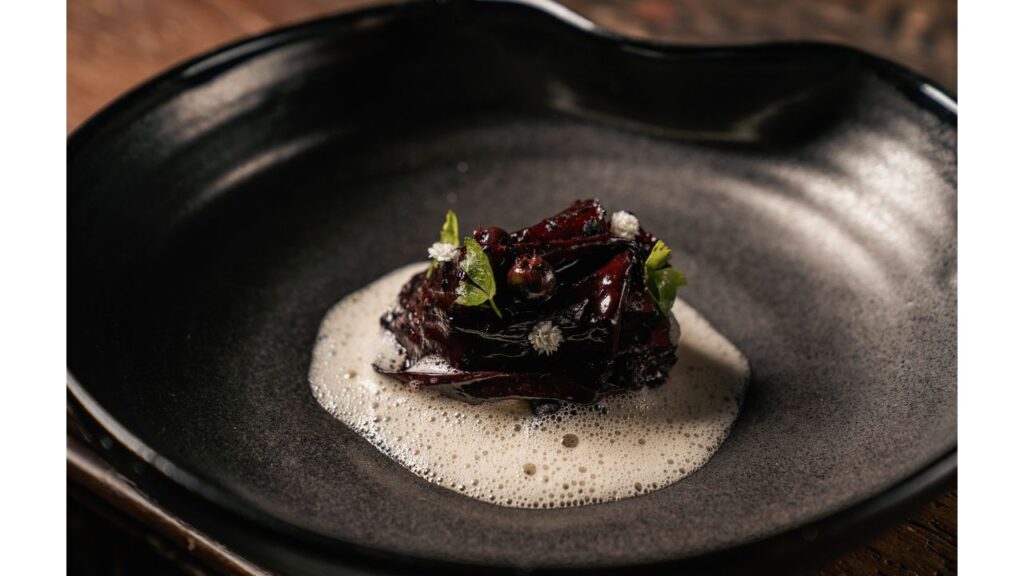
The effect is linked to visual contrast. A pink or red dessert can look brighter and more saturated against a white background, while the same dessert may appear darker or less vivid on a black plate. These visual differences can shape our expectations about how the food will taste.
However, the effect is not universal. Results can depend on the food itself, the colors being compared and the context in which the meal is served.
Why Do We Eat With Our Eyes First?
Before tasting food, our brains have already started processing visual information. Color, shape, size and presentation help us form expectations about flavor, freshness and quality.
For example, a brightly colored strawberry dessert may look sweeter and fruitier than a pale version of the same dish. A neatly arranged plate can also make a meal appear more carefully prepared and appealing.
These expectations can influence the experience that follows. When the actual taste aligns with what we anticipated, the food may seem more satisfying. When it does not, the experience can feel unexpectedly different.
What Is Multisensory Flavor Perception?
Multisensory perception is the process through which the brain combines information from different senses. When we eat, taste is only one part of the experience.
Our brains integrate signals from the tongue and nose with visual cues and even the texture and temperature of food. This is why the same dish can seem different depending on its aroma, appearance or serving style.
Plate color is one example of how visual information can influence flavor perception. It does not change the ingredients or their chemical composition, but it can change how we interpret the experience of eating them.
Chefs have long understood that presentation can shape a diner’s expectations. The choice of plate, the arrangement of ingredients and the contrast between colors can all affect how a dish is perceived.
A white plate can make colorful ingredients stand out, while a dark plate may create a dramatic background for pale foods. Neither is automatically better: the most effective choice depends on the dish and the impression the chef wants to create.
For restaurants, this means that plating is more than decoration. It can help establish expectations and influence the way diners experience a meal before they even take a bite.
Can You Make Food Taste Sweeter Without Adding Sugar?
Changing the way food is presented may influence perceived sweetness, but it is not a reliable substitute for sugar or other ingredients. Visual cues can affect expectations, yet the size and direction of the effect vary.
Still, experimenting with plate color, contrast and presentation is a simple way to explore how perception shapes the dining experience. A brightly colored dessert on a contrasting plate may look more vivid and appealing, potentially changing how it is perceived.
The Science of Eating With Your Eyes
The next time you serve a meal, pay attention to the plate as well as the food. Color and presentation can influence expectations, and those expectations can become part of the tasting experience.
Food is not experienced by the tongue alone. Our brains combine sight, smell, taste and texture to create the flavor we perceive. Sometimes, changing the plate is enough to make the same dish feel like a different experience.
Food Meets Science is gathering place to connect all food lovers from all over the world and create a community of all those for whom food and science is passion.