




How to Store Fruits and Vegetables Properly: The Best Way to Keep Food Fresh
Knowing how to store fruits and vegetables properly can help them stay fresh for longer, preserve their flavor and texture, and reduce food waste. But not every fruit or vegetable belongs in the refrigerator.

Some foods prefer room temperature, others need cold storage, while moisture, airflow and exposure to oxygen can also affect how quickly they spoil. Here are some simple food storage rules that can make a real difference in your kitchen.

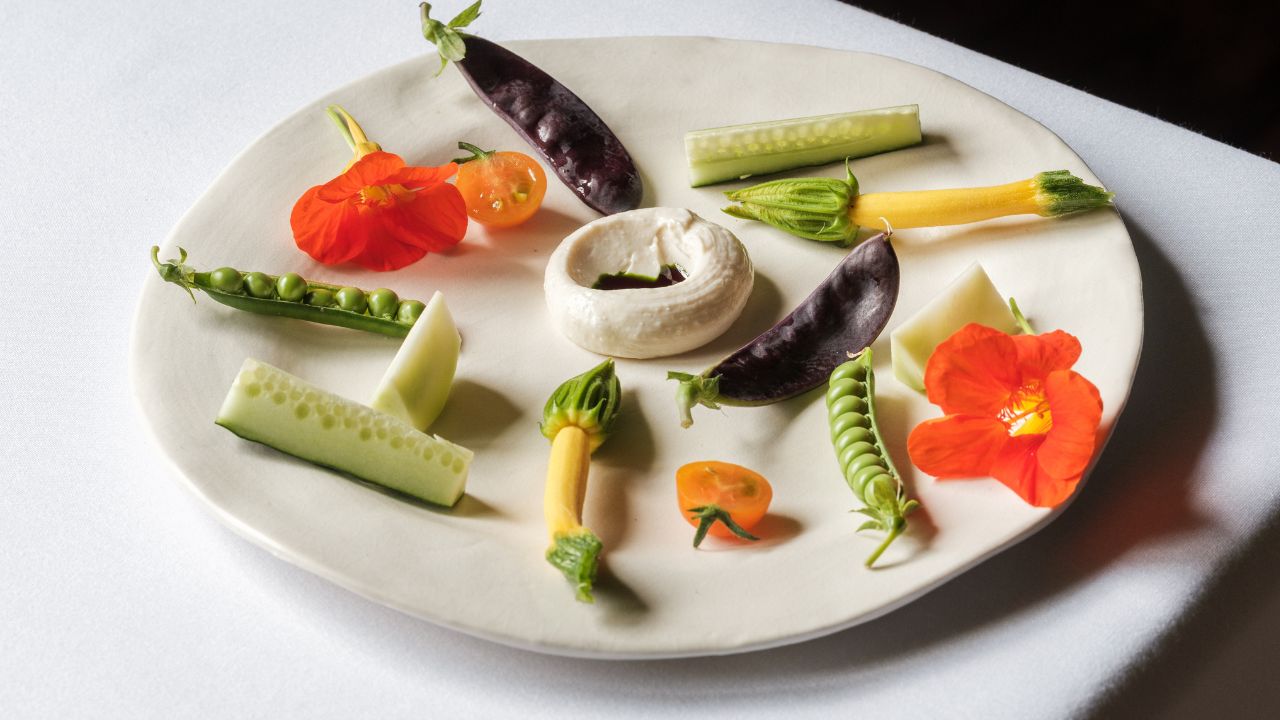
‘Crudités of farm vegetables by Merlin Labron-Johnson | Credit: Dave Watts | @merlin_johnson @osiprestaurantl

Should You Store Tomatoes in the Fridge?

Keep tomatoes at room temperature. Refrigerating tomatoes can affect their texture and flavor, making them more likely to become mealy and less aromatic.

Store ripe tomatoes at room temperature, away from direct sunlight and excessive heat. If they are already very ripe and you need to slow them down temporarily, refrigeration can extend their life, but allow them to return to room temperature before eating for better flavor.

How to Store Onions and Garlic

Whole onions and garlic generally do best outside the refrigerator, somewhere cool, dry and well ventilated. Avoid sealed plastic containers, which can trap moisture and encourage mold.

Once an onion or garlic bulb has been cut, however, refrigerate the unused portion in a sealed container and use it relatively quickly.

How to Store Fresh Berries

Strawberries, raspberries, blueberries and other berries are particularly sensitive to moisture. Excess water can encourage mold and make them spoil faster.

If you prefer to wash berries before storing them, dry them thoroughly first. Place a paper towel in the bottom of a container to absorb excess moisture, then add the berries without overcrowding them. A container that allows some airflow can also help prevent moisture from building up.

‘İMAMBAYILDI’, olive oil-braised eggplant, ‘imambayıldı’ cream, bread, tomato, green pepper, onion by Maksut Aşkar | @maksutaskar @neolokal

How to Store Cut Avocado

Once an avocado is cut, its flesh quickly comes into contact with oxygen, causing enzymatic browning.

To slow the process, brush the exposed surface with a little lemon juice, then wrap the avocado tightly so there is as little air as possible between the fruit and the wrapping. The acidity helps slow browning, while limiting oxygen reduces the reaction further.

Store the cut avocado in the refrigerator and use it as soon as possible.

What About Bananas and Apples?

Bananas are best kept at room temperature until they reach the ripeness you want. Once ripe, refrigeration can slow further ripening, although the peel may darken.

Apples can be stored in the refrigerator to help them stay crisp for longer. However, apples produce ethylene gas, which can accelerate ripening in nearby produce. Keeping them separate from ethylene-sensitive vegetables can help extend their freshness.

The Simple Food Storage Rules

There is no single storage method that works for every fruit and vegetable. The key is understanding what each food needs.

Keep tomatoes, potatoes, onions and garlic out of the fridge. Refrigerate carrots and leafy greens, but control excess moisture. Keep berries dry, and protect cut avocado from oxygen with lemon juice and tight wrapping.

A few simple changes in how you store produce can help preserve freshness, flavor and texture – while reducing unnecessary food waste.

Food Meets Science is gathering place to connect all food lovers from all over the world and create a community of all those for whom food and science is passion.


info@thebestchefawards.com