





Is Alkaline Water the Key to Better Health?
In recent years, alkaline water has become a trendy product in the wellness industry. Manufacturers claim that water with a higher pH can boost metabolism, neutralize acidity in the body, prevent disease, and even slow the aging process. While these promises are highly appealing, it is essential to contrast them with reliable scientific evidence to determine whether we actually need “special” water to maintain optimal health.
What Is Alkaline Water?
Alkaline water refers to water that has a higher pH level than regular tap water, typically ranging from 8 to 9 on the pH scale, while standard drinking water is usually neutral (with a pH of about 7).
It is important to note that the term “alkaline” in this context refers to the water’s chemical property of having a higher concentration of basic minerals, such as calcium, potassium, or magnesium, which raise its pH above the neutral mark.
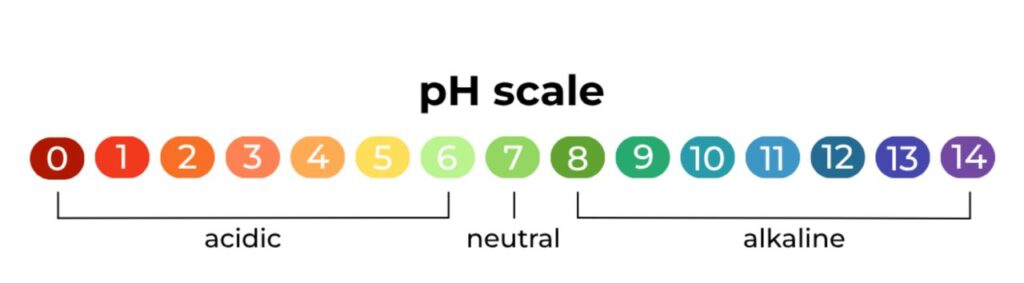
Science, pH, and Human Physiology
The fundamental question is whether alkaline water differs significantly from regular water. The answer is no; there is no evidence to support choosing alkaline water over safe tap water or regular bottled water (LeWine, 2020).
Our blood pH is strictly maintained within a slightly alkaline range (7.35–7.45), while the stomach remains a highly acidic environment (pH 1.5–3.5). Once consumed, alkaline water enters the stomach and is immediately neutralized by strong gastric acids.
Alkaline Water in Research: Hopes vs. Reality
Research on alkaline water is inconsistent. According to a mini-systematic review by Nonthanathorn and Uptegrove (2025), while water with a pH above 7 may offer certain benefits to athletes, the results for the general population remain inconclusive, and clear long-term health benefits have not been demonstrated.
Quantity Over Quality
Instead of focusing on pH levels, science emphasizes that total fluid intake is what truly matters. According to Sawka et al. (2005), standard daily water requirements are approximately 3.7 liters for men and 2.7 liters for women, though these needs increase significantly under conditions of intense physical exercise or heat stress.
In summary, based on current scientific evidence, alkaline water holds no advantage over regular drinking water. The human body possesses great homeostatic mechanisms that effectively stabilize our internal environment, regardless of the pH of the fluids we consume. Water, regardless of its pH, remains our most important ally, provided we consume it in sufficient quantities.

Bibliography
LeWine, H. E. (2020). Is alkaline water better?
https://www.health.harvard.edu/healthy-aging-and-longevity/is-alkaline-water-better
Nonthanathorn, P., & Uptegrove, C. (2025). Effects of Alkaline Drinking Water on Hydration, Metabolism, and Physical Performance in Humans. International Journal of Science and Innovative Technology, 8(2), 24-27.
Sawka, M. N., Cheuvront, S. N., & Carter, R. (2005). Human water needs. Nutrition reviews, 63,, 30-39.
Sunardi, D., Chandra, D. N., Medise, B. E., Manikam, N. R. M., Friska, D., Lestari, W., & Insani, P. N. C. (2024). Health effects of alkaline, oxygenated, and demineralized water compared to mineral water among healthy population: a systematic review. Reviews on Environmental Health, 39(2), 339-349.