


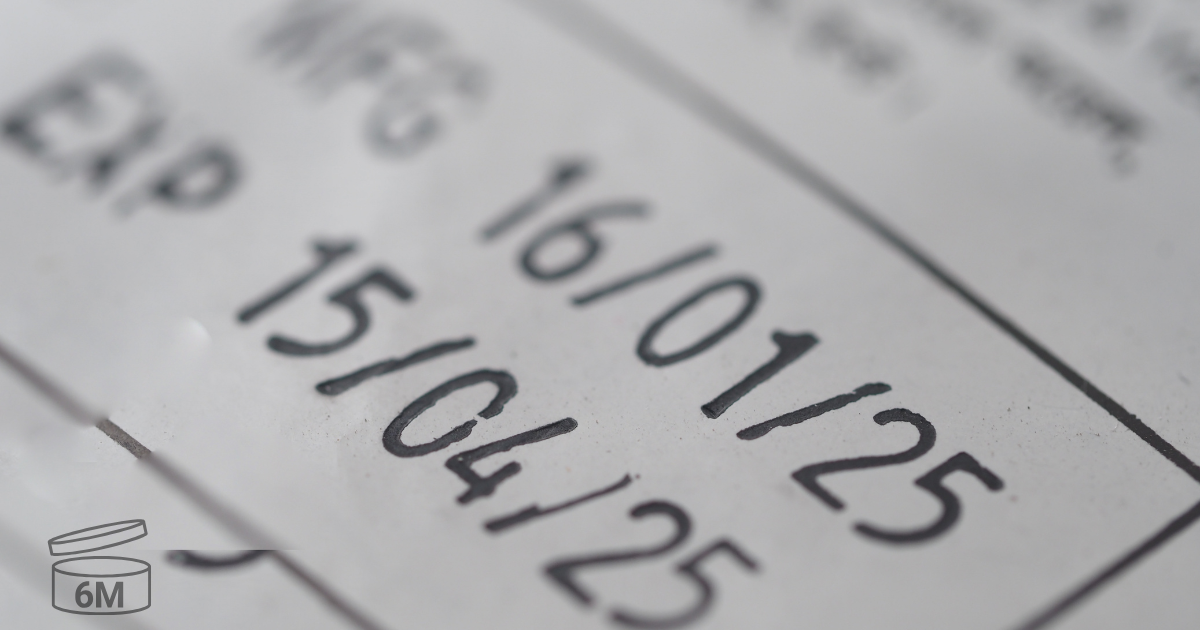
Expiration Dates: What They Really Mean and When You Should Worry
Food expiration dates are everywhere. We see them on milk cartons, packaged foods, sauces, frozen products, cosmetics, and even medicines. Yet despite how familiar these dates are, many people are still unsure what they actually mean.
Does a product become unsafe the day after its expiration date? Is food past its “best before” date still safe to eat? And why do different products use different types of dates?
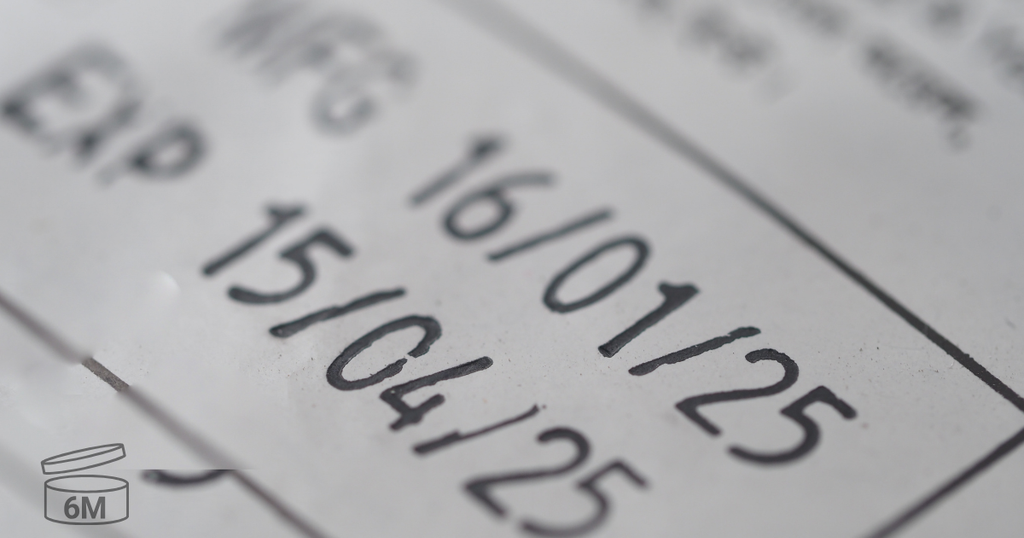
Not All Expiration Dates Mean the Same Thing
“Use By”
A use by date is generally related to food safety. It is commonly used for highly perishable products such as fresh meat, fish, dairy products, and ready-to-eat foods.
Once the use by date has passed, the product may no longer be considered safe to consume, even if it looks or smells normal. Harmful microorganisms are not always detectable through our senses.
For products marked with a use by date, it is therefore important to follow the manufacturer’s instructions.
“Best Before”
A best before date is primarily about quality rather than safety.
After this date, a product may gradually lose some of its flavor, texture, aroma, or nutritional quality. However, this does not necessarily mean that it has become dangerous to eat.
Dry foods such as pasta, rice, cereals, canned goods, and many packaged products often carry best before dates.
So, how can you tell if a product is still safe to eat?
Inspect the packaging for any damage, bulging, or mold, smell the product upon opening to ensure there are no off-odors, and check for any unusual changes in texture or color. If the item looks, smells, and seems normal, it is usually safe to consume, even if some time has passed since the date.
Storage Can Be Just as Important as the Date
Two identical products can have very different shelf lives depending on how they are stored.
Temperature is particularly important. Refrigerated foods can deteriorate much faster if they are repeatedly exposed to room temperature. Similarly, products stored in direct sunlight, excessive humidity, or improperly sealed packaging may deteriorate sooner than expected.
This is why storage instructions should always be followed.
For example, a product may have a long shelf life when unopened but become much more perishable once it has been opened. In such cases, manufacturers may provide additional instructions such as “consume within three days of opening.”
What About Products Without an Expiration Date?
Not every food has a simple expiration date printed on the packaging.
For some products, shelf life depends heavily on storage conditions and whether the package has been opened. Fresh produce, bakery products, and certain unpackaged foods are good examples.
For fresh fruits and vegetables, shelf life varies widely and relies entirely on visual and physical inspection. Signs of spoilage such as unusual soft spots, wrinkling, discoloration, sour odors, or visible mold indicate that the produce is past its prime and should be discarded.
In these cases, consumers need to pay greater attention to storage instructions and signs of deterioration.
A Simple Guide
Expiration dates are not always as straightforward as they may seem. Understanding the difference between use by and best before dates, along with proper food storage habits and packaging checks, helps prevent food waste while keeping you safe.
Ultimately, the date on the package is only part of the story. Knowing how to check for spoilage and ensuring proper food safety at home matters just as much for maximizing shelf life.
Related posts:
![CHEF. MEAT. TECH.; The Story of NEW- MEAT™’ –Shai Hayman (Redefine Meat) – FMS22]()
CHEF. MEAT. TECH.; The Story of NEW- MEAT™’ –Shai Hayman (Redefine Meat) – FMS22
February 6, 2023![The Power of Food – Massimo Bottura (Osteria Francescana) and Jessica Rosval (Casa Maria Luigia) – F...]()
The Power of Food – Massimo Bottura (Osteria Francescana) and Jessica Rosval (Casa Maria Luigia) – F...
February 6, 2023![The Fine Taste of Labels]()
The Fine Taste of Labels
April 3, 2023![Stop Burning Your Food: Understanding the Maillard Reaction]()
Stop Burning Your Food: Understanding the Maillard Reaction
August 17, 2026