



Why Garlic Tastes Different Every Time
Garlic is one of those ingredients we use almost without thinking. A quick chop, straight into the pan, and dinner is on its way. But have you ever noticed that garlic doesn’t always taste the same? Sometimes it’s warm and slightly sweet. Other times it’s sharp, spicy, or even harsh.
It turns out the difference often has nothing to do with how much garlic you use. Instead, it’s about how you prepare it before cooking.
Garlic Doesn’t Taste Like Garlic… At First
A whole clove of garlic has surprisingly little smell. The strong flavor only appears after the clove is cut, crushed, or grated.
Inside garlic are two separate components: a sulfur compound called alliin and an enzyme called alliinase. When the clove is intact, they stay apart. Once you damage the structure, they mix and create allicin the molecule responsible for garlic’s intense aroma and bite.
In simple terms, garlic only becomes “garlicky” after you break it open.
Crushing vs. Chopping
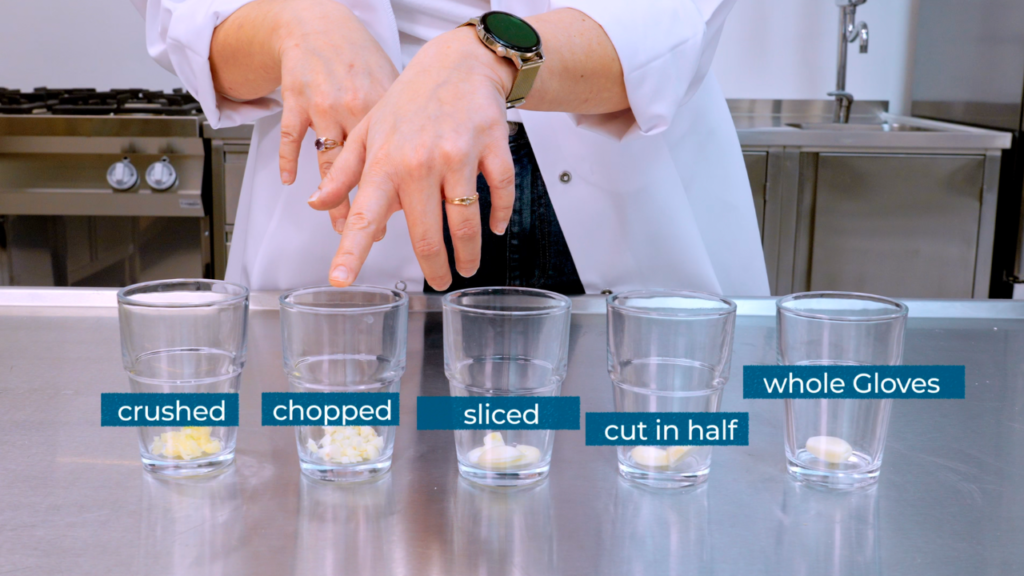
How you cut garlic changes how much of its structure is destroyed, and that directly affects flavor.
Crushing garlic breaks many cells at once. This creates more allicin quickly, leading to a stronger, more aggressive taste.
Chopping is gentler. Fewer cells are damaged at a time, so the reaction happens more slowly. The result is usually a milder, rounder flavor that blends easily into dishes.
Even though it’s the same ingredient, the chemistry and the taste can be very different.
Give Garlic a Moment
Here’s a small trick many recipes don’t mention: garlic benefits from resting for a few minutes after being cut. The reaction that creates flavor continues over time. If you cook garlic immediately, you may stop that process too early.
Letting it sit for about ten minutes can lead to deeper, more developed flavor.
Heat Changes Everything
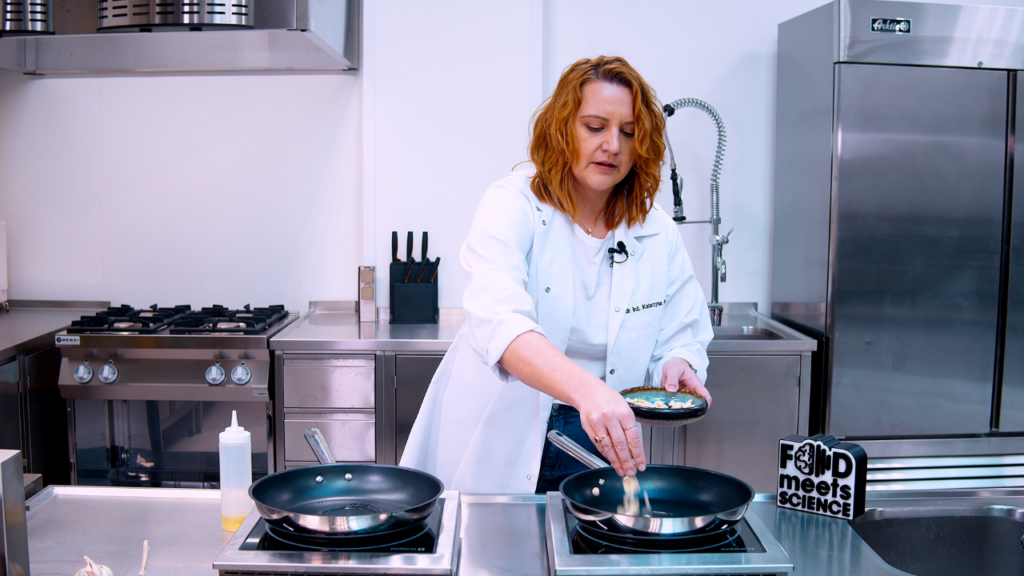
Garlic is also sensitive to temperature. High heat can quickly break down its reactive compounds, producing bitter or harsh notes. Gentle cooking, on the other hand, transforms garlic into something softer, sweeter, and almost nutty.
That’s why slowly cooked garlic often tastes completely different from garlic that hits very hot oil.
Surface Area Matters
The way garlic releases flavor into a dish also depends on how finely it is prepared.
Crushed or grated garlic spreads its flavor quickly and intensely. Chopped garlic develops more gradually, while sliced garlic adds a subtle aroma over time.
These differences can completely change how a finished dish feels.
One Ingredient, Many Possibilities
There’s no single “best” way to cut garlic. Crushing creates bold impact. Chopping offers balance. Slicing brings subtlety. Understanding these options helps you control flavor instead of leaving it to chance.
Garlic isn’t just an ingredient it’s a series of chemical reactions that start the moment you pick up a knife. And once you notice that, you may never cook with it the same way again.