




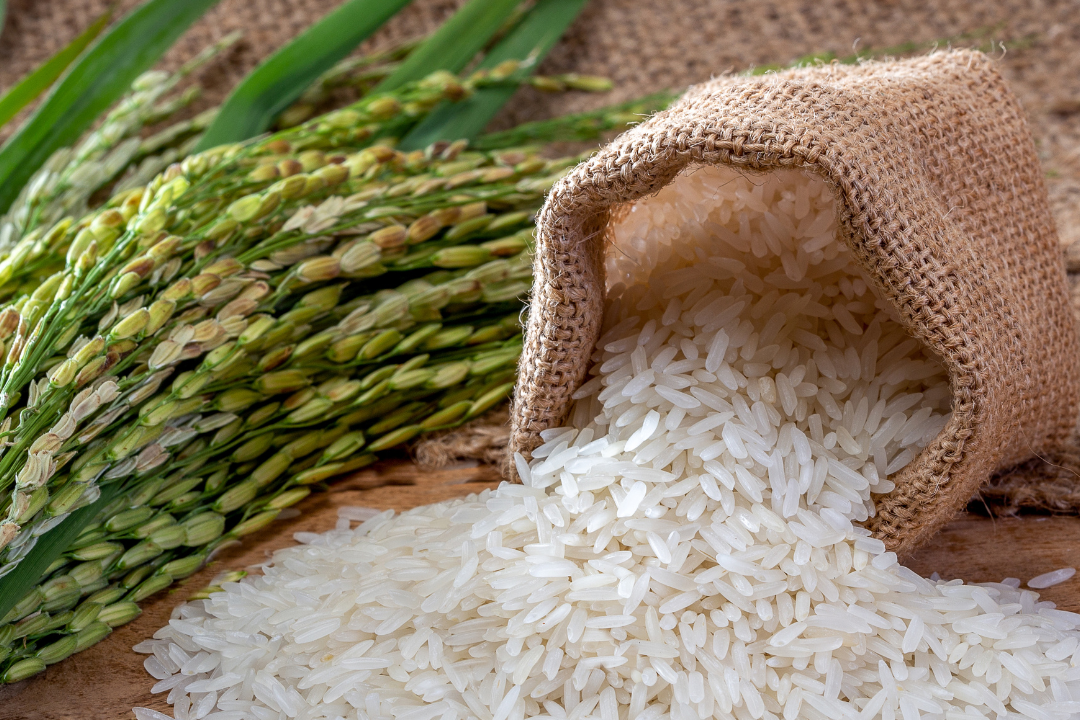
Bacillus cereus: Rice and Grain Poisoning
The United States reports approximately 63,400 cases of Bacillus cereus each year. The consequences of poisoning can be severe, and in exceptional cases, it can result in fatality. What is Bacillus cereus exactly? Why does it produce toxins in food? Can we avoid this threat? What is Bacillus cereus? Bacillus cereus, a bacterium commonly found […]
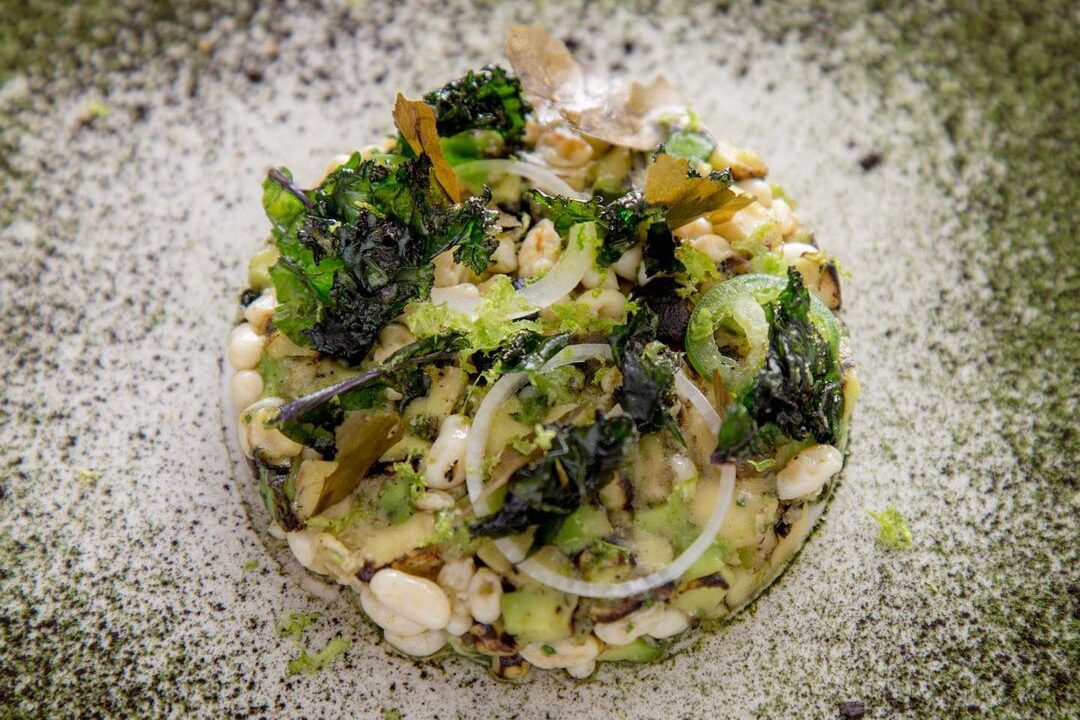
Insects in fine-dining?
Insects are an excellent source of pure protein. They are free of hormones, growth promoters, and other substances that we use in animal husbandry. It is worth noting that the Food and Agriculture Organization of the United Nations estimates that insects are part of the traditional diet of at least two billion people, with more […]
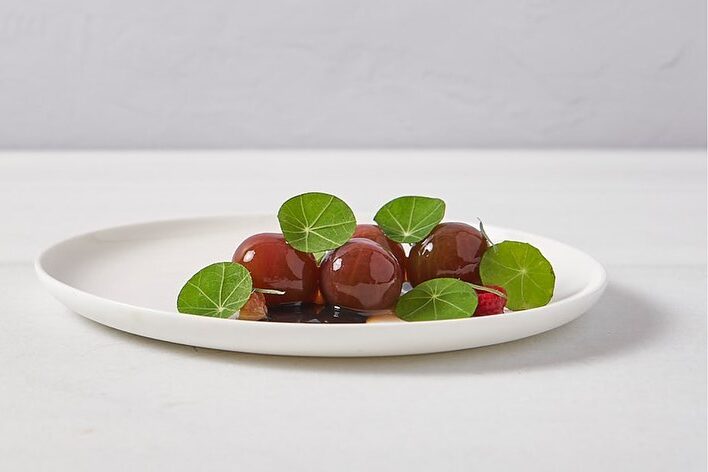
A fairy tale about umami
For many of us, the fifth flavor is just a curiosity, a nice story about the cuisines of the Far East and dishes on the border of flavors that we cannot imagine. After all, umami in Japanese means a pleasant spicy taste.
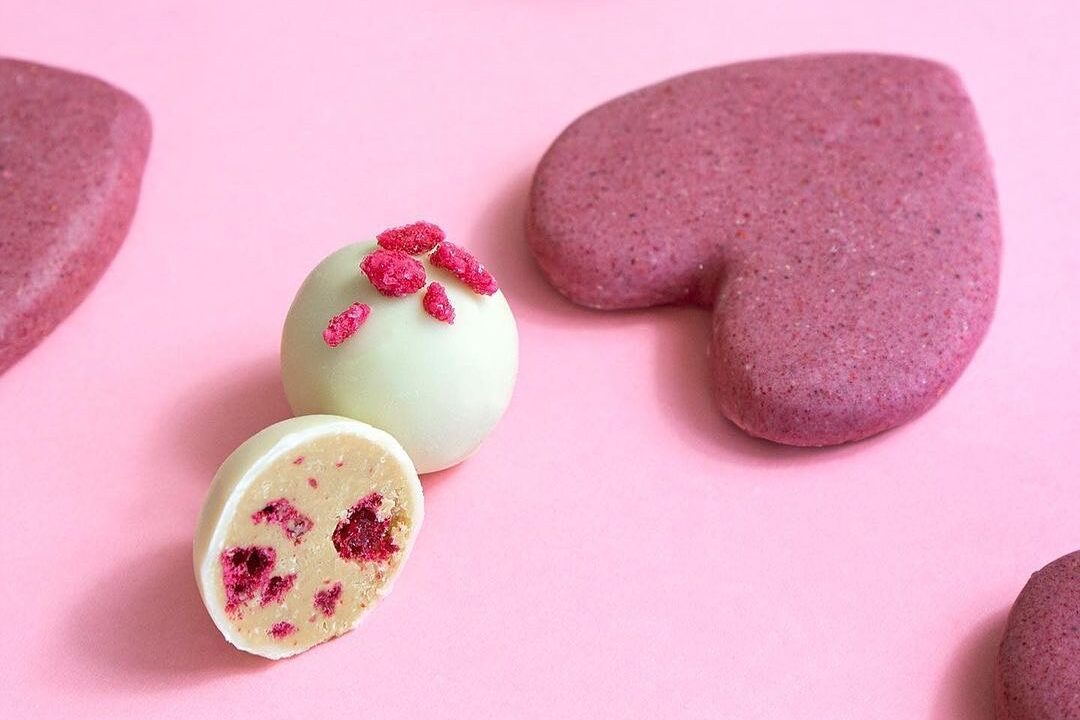
Is white chocolate an oxymoron?
What is white chocolate? Does it have the same properties as its black counterpart? And most importantly, can we call this product ... chocolate?
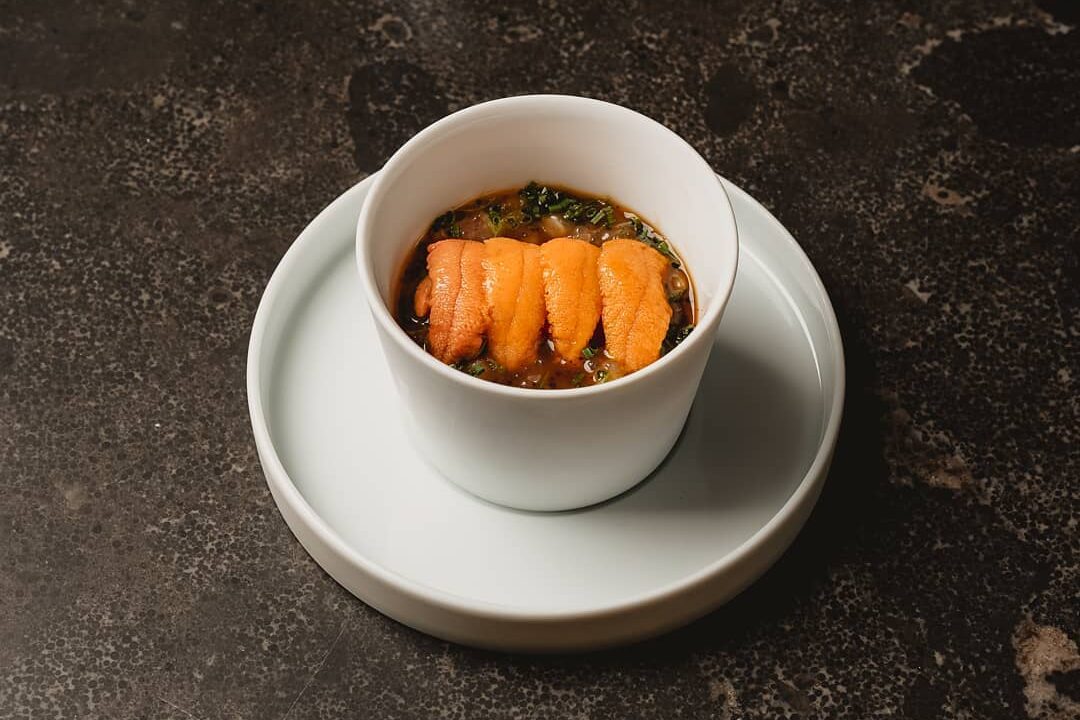
Kimchi fashion
Kimchi comes from the word "gimchi", which literally means "dipped vegetables". This is how vegetables were stored for the winter in Korea.
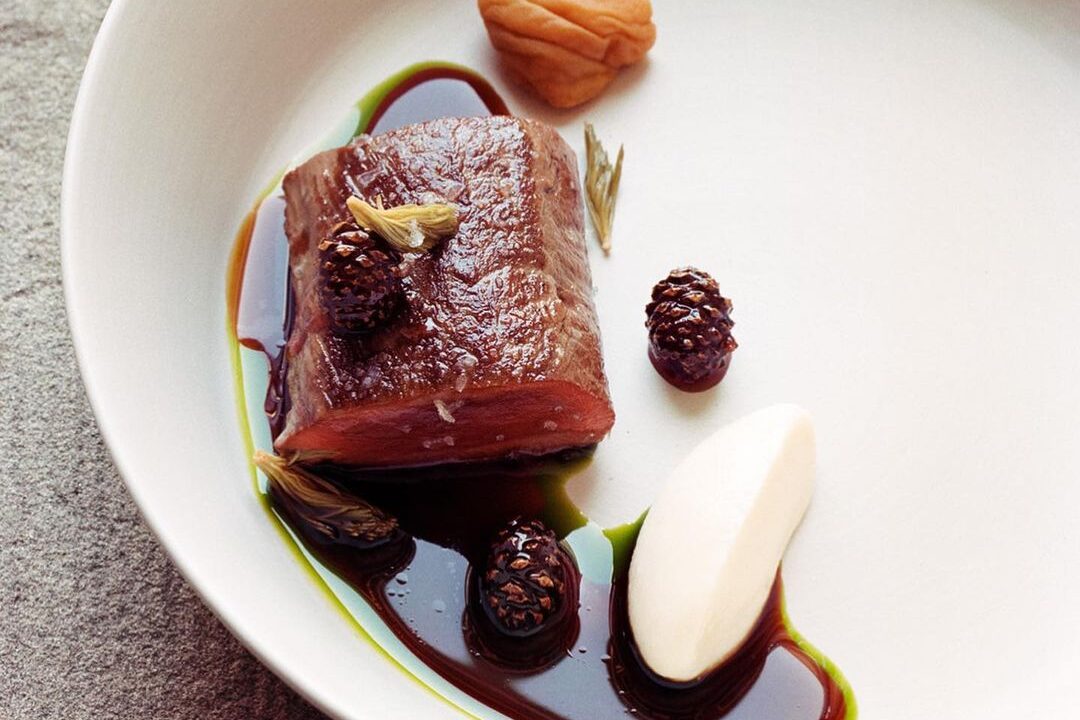
The Culinary Potential of Pine
The use of pine in the kitchen has a long history in various cultures, despite seeming like a fairly new and unusual trend. Are all pine trees edible? How do you collect and prepare them for cooking?
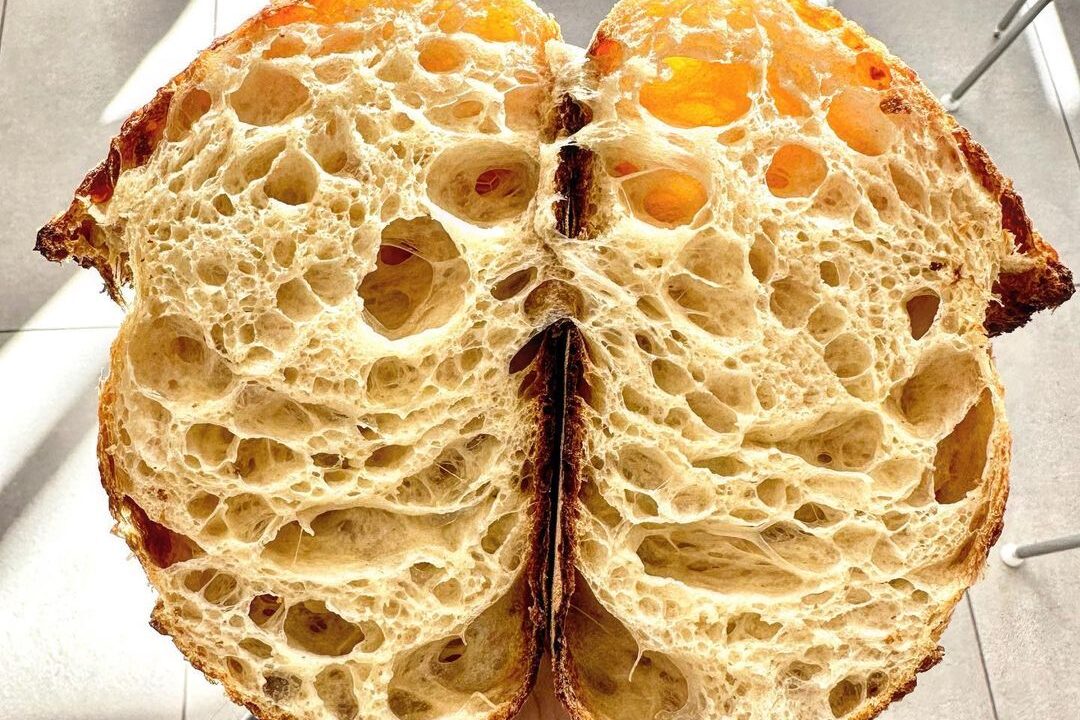
Yeast – what is it?
Yeast is an amazing product. We pay little attention to it, although they it served humanity for centuries. Initially, people used it without knowing what it was or where it came from. Yeast was used for alcoholic (anaerobic) fermentation or for making leaven for cakes.
Is coffee good for you?
We often hear that drinking coffee is harmful and that you should not drink it too often or make it too strong. This controversial drink over the years was alternately criticized and praised. Popular websites advertise starting a day with a mug of sencha or a cup of matcha latte. Why does coffee have so […]
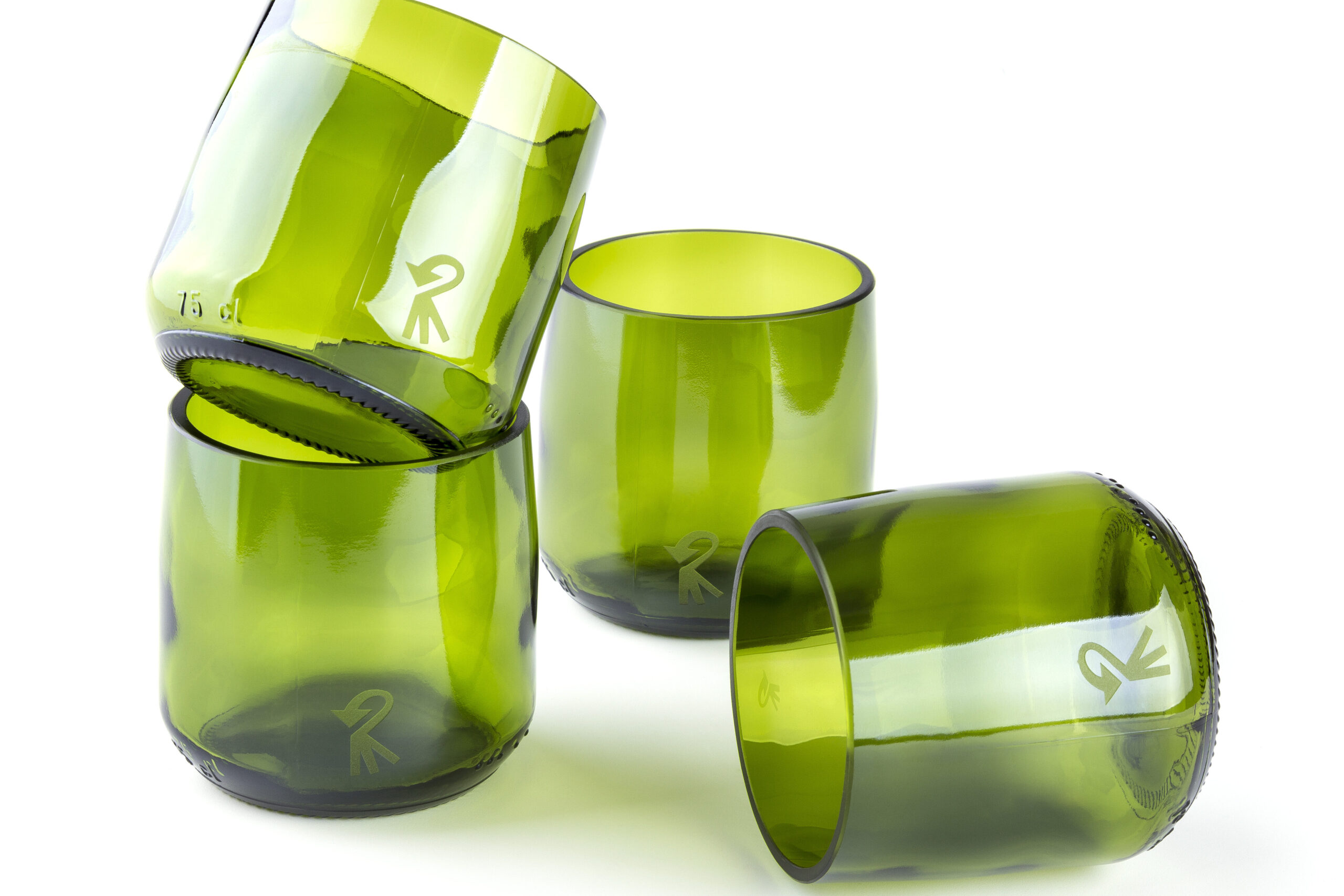
“Reduce, Reuse, Recycle” by Roca Brothers
When we think of recycling in a restaurant, we often think of colored bins, sometimes a composter or activities leading to less-waste and zero-waste. However, our associations are primarily related to food waste.
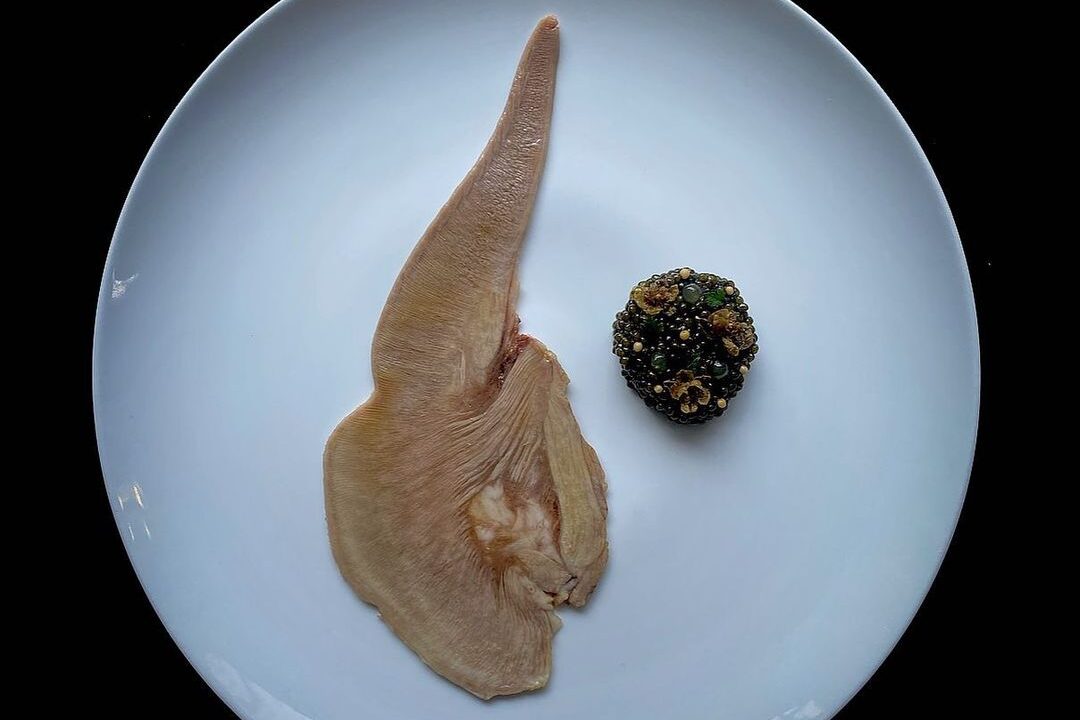
Confit means long and tasty
In fact, the confit method has its roots in France (confire - to conserve). It consists of long cooking in fat, oil, or syrup.